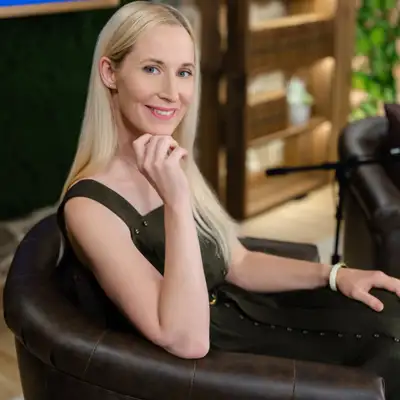
The War on the Amish/ Tracy Thurman on Viva Frei's Show
00:00:01:21 - 00:00:33:21
Speaker 1
Ladies and gentlemen of the interwebs, we're doing something a little special today. This is a live, recorded, but prerecorded interview with someone who you may not know, but you're going to know after this show. Although if you've been around the channel for a while, you do know who she is because she was involved in the advocating for Roger ver in the persecution of the man known as Bitcoin Jesus, and she's now advocating for awareness of the we're going to call it persecution of the Amish in America, in Pennsylvania, in New York.
00:00:33:22 - 00:00:55:02
Speaker 1
We're going to get into a lot of things here now. Her name is Tracey Thurman, and she has sent me her bio because it's always easier and better and more reliable to get the bio from the person, then to rely on AI for bios. And my goodness, even if I know the person intimately, it's not easy to craft someone's bio and I'm going to read her bio as she describes herself, and it's fantastic.
00:00:55:03 - 00:01:22:02
Speaker 1
Tracey Thurman is an investigative writer, strategist, and co-host of Radically Genuine. She first came to national attention through her work defending Amish farmer Amos Miller in his battle with the federal and state authorities and food freedom. Tracey later led public advocacy campaign for Bitcoin pioneer Roger ver, working closely with Roger and his legal team to build an international awareness and political support around his prosecution in 2015 2025.
00:01:22:03 - 00:01:52:07
Speaker 1
Following an agreement with the Department of Justice, the federal indictment against Roger was dismissed. She spent years working closely with the Amish communities, and has been involved in multiple cases involving government actions against Amish farmers and families, giving her a rare firsthand perspective of the culture and challenges these communities face. Tracey is also an investigative writer for the Brownstone Institute, where her work focuses on the Amish food sovereignty, medical freedom, institutional power, and national liberty.
00:01:52:09 - 00:02:21:14
Speaker 1
All of her links are going to be in the description. We are running this live with locals because we want to take questions from our awesome community, and it's one of the benefits of being a member of our Viva Barnes Law com community. And we're going to bring Tracey in. I've known her for years now. Certainly years. She well, I'll let her say she's been I think if not the OG one of the OGs of our Viva Barnes law community, which now goes back damn near seven years.
00:02:21:14 - 00:02:37:28
Speaker 1
It will be seven years in February or March, I think of next year. Anyhow, without further ado, and I'm going to go to the locals chat. Get some questions in there. So whatever we don't cover, we're going to get specifically in Q&A, Q&A with our local community. Tracey, I'm bringing you in, ma'am. How goes the battle?
00:02:38:00 - 00:02:39:20
Speaker 2
Viva, it's so good to see you again.
00:02:39:26 - 00:02:59:16
Speaker 1
Yeah, see, this is the thing. I've known you for years. I know you quite well. This is the first time you're going to have been on our channel alone. You were on with Roger, I think a couple of times. I know that you've been intimately involved in the Amish persecution. Amos Miller, in particular. Pennsylvania. But the world is now.
00:02:59:18 - 00:03:04:28
Speaker 1
At least my audience is going to meet you alone for the first time. Who are you?
00:03:05:01 - 00:03:41:00
Speaker 2
Well, that fantastic bio that I wrote gave a bit of an introduction, but I'm. I am a person who cares very deeply about the Amish community. I grew up in a in a church that was also an Anabaptist group. So the Anabaptist is a group of of Christians that the Mennonites, the Amish, the Hutterites all fall into. They are typically believe in, in humility, in living in a rural settings, in pacifism, and in living a life that is away from the public eye.
00:03:41:03 - 00:04:08:14
Speaker 2
And so I moved on from that when I was 18 years old, chose not to stay in that lifestyle, but I understood it intimately. And so when I became close to the Amish community, I understood them at a level that others may not, because it was very similar to my own background. And they came to trust me because of that, because they they understood that I was from a similar group and that my respect for them and their lifestyle ran deep.
00:04:08:16 - 00:04:36:03
Speaker 1
Anabaptist. Now, I tried to say bone up on the history of the Amish as I was doing something with the car this morning and I listened to an hour podcast of the history of the Amish, and it goes back to Switzerland. It goes back to Britain. They came to America, I think, in the early 1700s. I a lot of people are not going to, for the life of them, understand the distinctions between the knights, the Mennonites, the Anabaptists.
00:04:36:03 - 00:04:48:12
Speaker 1
So inasmuch as humanly possible to oversimplify it, but to nonetheless flesh it out so people can understand what is the history of the Amish at large and more specifically in America, and then even more specifically in Pennsylvania.
00:04:48:15 - 00:05:19:04
Speaker 2
So initially, the Amish and the Mennonites were the same group historically, and this goes back hundreds of years in Europe. They were groups in Switzerland, Moravia and other areas of Eastern Europe that broke off from the Catholic Church and broke off from all the other branches of Protestantism. And the things that distinguish them from other groups were a belief in pacifism and a belief in adult baptism, only that one should never baptize children.
00:05:19:04 - 00:05:40:00
Speaker 2
And there were other Protestant groups that still believe in baptism of children. And so this was a big problem for the state churches, because here you have a group of people that will not serve in the military, when at that point every man could be conscripted in at any time, and who also would not baptize their children into the state church.
00:05:40:01 - 00:06:01:26
Speaker 2
They were heavily, heavily persecuted in Europe. They were to this day they meet in house churches rather than church buildings. You'll never see an Amish church. And that goes back to their persecution in Europe, where they couldn't have church buildings and they met secretly in homes. The.
00:06:01:28 - 00:06:24:07
Speaker 2
The other thing that they were obviously persecuted for was their refusal to serve in the military. So many of them were martyred, burned at the stake, drowned. They were treated horrifically, but they were already really good farmers. Their history as being incredibly talented farmers goes back, you know, hundreds of years well before they came to the United States.
00:06:24:08 - 00:06:52:07
Speaker 2
And so at a time when they were facing horrific persecution and death in Europe for their refusal, they were being killed for their refusal to kill other people. At that time, Pennsylvania was a beacon of light to every such religious group in the world that was facing such persecution because William Penn, who was a Quaker, formed, founded Pennsylvania, and in doing so he recognized as a Quaker.
00:06:52:07 - 00:07:18:21
Speaker 2
Quakers have been heavily persecuted in England that there was a need for a place that minority religious groups could come and live, not be conscripted into military service against their will, and bring their unique talents, their unique way of life, to a place where they would just be allowed to live. And that is why the Amish came to the United States, and that's why they very specifically came to Pennsylvania.
00:07:18:22 - 00:07:38:20
Speaker 2
Pennsylvania was a very special place in the history of the United States, because it was the place where religious minorities would come. That's why the Quakers are here. That's why the Moravians are here. That's why the Amish are here. That's why the Mennonites are here. All these groups came here because in their home countries they were being persecuted.
00:07:38:20 - 00:08:06:03
Speaker 2
And so it's the Amish came here in 1730 for the first time. That was the first Amish coming to Pennsylvania. And it's really tragic and ironic now that Pennsylvania has decided to continue the tradition of tyrannical European governments in now persecuting this religious minority and not giving them the space to simply live the lives that that they believe God wants them to live.
00:08:06:06 - 00:08:24:02
Speaker 1
I actually one thing if you know the answer to this, and I didn't understand exactly what it meant when I heard that on the podcast, they didn't believe in child baptism, only adult baptism. And that's to say that an adult has to make the decision of faith, as opposed to imposing it on a child that does not yet have the decision making faculties.
00:08:24:03 - 00:08:30:20
Speaker 1
What I thought I understood was that there was a tax reason that benefited the church for having child baptism. I'm not sure if you're familiar.
00:08:30:20 - 00:08:45:14
Speaker 2
With it about that. I think there was a child baptism tax because of course, you know, we all know that's what God wants. And so these people were getting out of attacks. I'm not 100% certain of that, but that's definitely ringing bells for me.
00:08:45:21 - 00:09:16:04
Speaker 1
Okay. Now the Amish themselves came in the 1730s of, say, 1730. It can be traced back to their presence in America today, their population. It's it's an amazing thing. Like you look up the population of a group that doesn't have disparate political impact. It just has disparate influence in terms of culture, you know, farming, agriculture and politics. There are 420,000 Amish, give or take, across all of America, and a quarter of them live in Pennsylvania.
00:09:16:07 - 00:09:32:06
Speaker 1
First question first, how does I know what people are going to say in terms of like comparing it to the Jewish influence in politics, but how does such a small demographic get the political importance that they have? And how how did they craft that out of American society?
00:09:32:08 - 00:10:04:20
Speaker 2
It's interesting. They actually, I would say they have far less political power than they should have. And this is because many of them refuse to vote, many of them, and historically, almost all of them felt that interaction. You know, being being involved in government in any way was against their religious beliefs. Now that is changing. There's Scott Pressler, obviously, you know, was well known during the lead up to the last election for getting huge numbers of Amish to register to vote, but they're actually doing that reluctantly.
00:10:04:20 - 00:10:30:02
Speaker 2
And the reason they're doing it is because they have been so heavily pressured, and they're recognizing the writing on the wall that it's possible that they will be treated better if they have some form of representation. And I do think they have room to learn from the the Orthodox Jewish community in Brooklyn who have learned to block vote in that sense and therefore get more respect.
00:10:30:04 - 00:10:42:01
Speaker 2
But yeah, historically, they would never have participated in an election of any kind, never serve in government in any way. They believe very strongly in withdrawing from the world and simply living as a parallel society according to their religious beliefs.
00:10:42:03 - 00:10:51:15
Speaker 1
So they focus in Pennsylvania in particular, where is the rest of the 75% of the Amish in America? New York? Do I say Utah?
00:10:51:18 - 00:11:12:14
Speaker 2
So New York, the next biggest population is Holmes County, Ohio. After that, it's probably Elkhart, Lagrange County in Indiana. The basic rule is, look, if you if you made a graph of where the best farmland is the United States, and then overlaid that with the Amish populations, you'd find a pretty close match. So they there are omission. Tennessee.
00:11:12:15 - 00:11:39:20
Speaker 2
There are Amish in Florida, actually. The Sarasota area has a has an Amish population. There are Amish in several of the western states. Definitely. Iowa has a large population. Wisconsin has a large population, but they will Maine has a small population. New York has a larger one. West Virginia has a population. Virginia does. I'm literally going through the settlement map and my in my head.
00:11:39:22 - 00:11:45:19
Speaker 2
But yeah, they basically go where there is good farmland.
00:11:45:21 - 00:12:08:19
Speaker 1
And now the question is this. And we're going to get into Pennsylvania in particular. And I forget I think I asked this to Robert a while back because, you know, he says it's a, it's a state persecution of the Amish. And then I can I can see how people say, well, it's not targeting the Amish. It's just the way technology is going and it's going to disparate impact, the way the Amish do things in the Amish way of life because they don't.
00:12:08:21 - 00:12:31:09
Speaker 1
I say this non-judgmental and almost with a little bit of admiration. They don't evolve with the times, at least the modern times, which is not always evolution for the better. Sometimes it's devolution. So like get into our audience is more familiar with what's going on to Amos Miller in Pennsylvania. But what is and how is this war on the Amish characterized when it comes to government and farming?
00:12:31:12 - 00:12:57:14
Speaker 2
So of course, the government's attitude toward it is, look, we're just we're just enforcing the law across the board. Now for your audience of I was actually the one that brought Roger Robert in on on the Amos Miller case. So I was the one who contacted him and said, we need you on this on this particular case. And Amos is far from the only one of these.
00:12:57:14 - 00:13:21:02
Speaker 2
I will say this. The state cracks down on other farmers, but they have a special penchant in Pennsylvania for going after the Amish. And here's the reason I believe that is the case. They know that the Amish, because of their religious beliefs, cannot file any type of legal action against the state. So Amos Miller could not sue the state for for violating his rights.
00:13:21:04 - 00:13:51:18
Speaker 2
If you are a state government that desires greater control, and you want to set precedents that can be used against everybody, of course you'd go after the people who have one hand tied behind their back. The Amish are a group that is vulnerable to targeting for that reason, and one of the primary tools in the legal system in this country is the ability to sue for violation of your rights.
00:13:51:19 - 00:14:19:09
Speaker 2
And the Amish, because of their religious beliefs, don't have that tool. So I watched many farmers besides Amos Miller go through the same thing Amos did. And one of the reasons I was so passionate about protecting Amos Miller, besides my friendship with him and his family, was that we had a an investigator. His name is Paul Flanagan. He is the lead USDA investigator and enforcer who's been against Amos Miller from the beginning of this case.
00:14:19:09 - 00:14:43:16
Speaker 2
And we had somebody come to come to us, a whistleblower, and say, hey, we heard from Paul Flanagan directly that they have a list of dozens of other farms that the minute they finish with Amos, they're coming after these guys, which meant that Amos was the blockade on dozens of other farms facing the same treatment. And the longer Amos could be protected, longer those other farms could be protected.
00:14:43:16 - 00:14:59:15
Speaker 2
If Amos fell, they were next in line. But I would say, from what I've observed in Pennsylvania, they don't only go after Amish farmers by any reason, but when they want to set a precedent, the Amish are a very convenient target.
00:14:59:18 - 00:15:07:10
Speaker 1
Let's go back. Actually, let's go back to Amos Miller in particular. And I don't know the answer to this question. How long have you known him for or the family?
00:15:07:13 - 00:15:29:19
Speaker 2
Well, so I live my life in a bit of an interesting way. I take on I'll get into my spiritual beliefs a little bit here because that answers this question. I had other, other Amish friends. I was already consuming raw milk and cared a lot about what was happening to that community, but I didn't know Amos at all.
00:15:29:21 - 00:15:52:18
Speaker 2
This is probably a week before everyone in this, you know, on this community, heard about Amos for the first time from Robert. And one day I just had this. I had made it this, this deal with I had had a severe vaccine injury and I'd made a deal with God that said, if you heal me, I'm going to spend the rest of my life taking on whatever mission for human flourishing and freedom that you give me.
00:15:52:18 - 00:16:18:25
Speaker 2
This is a quid pro quo. God, let's do this. And well, I healed, I healed from that severe vaccine injury, and raw milk was a big part of my healing, so it was up to me to carry up my side of that, of that, that agreement. And one of the first things that happened was one day, this is August of 2022, I, I simply had this very strong push.
00:16:18:26 - 00:16:38:28
Speaker 2
You have to drive to Amos Miller's farm. I'd heard you know, I'd heard about it in the news. You have to drive to his farm and just offer to help him. You'll know from there what to do. So I drove to his farm. There was a man sitting. It was a Saturday morning or Saturday afternoon, and there was a man sitting kind of hunched over on the little stone wall outside his little shop there.
00:16:38:28 - 00:16:54:26
Speaker 2
And I walked up to him and I said, are you Amos Miller? And he looked up and he said, yes, I am. And I said, well, you don't know me from Adam or Eve, but I'm here to help you, and I believe I can help you in some way. What do you need? And he said, I need a fearless attorney.
00:16:54:28 - 00:17:20:08
Speaker 2
The attorney I have now, I don't believe is really helping me. And I said, okay, well, I'll see what I can do. So I sent I had already been following you and Robert. I knew about your work for a good 18 months or two years before that. I'd say it was 2020. I started following you guys. So I sent Robert an email and I explained the situation, and I asked him if he'd be willing to take the case, and he said definitely yes.
00:17:20:10 - 00:17:38:15
Speaker 2
So a week later had or a few days later, I had a first meeting between Amos and Robert, and I brought Robert in. Continued to coordinate that case until the fall of 2024. So whenever Robert would come, I'd introduce him to, you know, all the other Amish people that he knew and was was the liaison between Robert and the community.
00:17:38:17 - 00:17:44:18
Speaker 1
Now Amos Miller's farm in particular. How many generations in the family has it been.
00:17:44:20 - 00:17:54:11
Speaker 2
That particular location? Either his grandfather or his father bought it. But but in that general area, it has been farmed by his family for five generations.
00:17:54:13 - 00:17:58:28
Speaker 1
Right. And when did he first start having problems with the authorities in Pennsylvania.
00:17:59:04 - 00:18:22:22
Speaker 2
In 2016. So the Western Price Foundation, which some of your members will be familiar with there, a national group that advocates for for nutrition, for raw milk and for farmers in general. They had done a FOIA request of the government to find out all the information they had on alleged illnesses from raw milk versus pasteurized milk, not just raw milk.
00:18:22:22 - 00:18:52:24
Speaker 2
But let's compare the two. And also to look at supposed deaths from raw milk related infections. And what they found was that Listeria is supposedly this absolutely terrifying pathogen in raw milk. But what they found was there had been no deaths at all from listeria in raw milk. They publicized this shortly thereafter. The Weston Price Foundation has a conference out in Anaheim, California, and Amos Miller is present.
00:18:52:25 - 00:19:19:02
Speaker 2
He's handing out samples of his products, which is not at all atypical of what happens at these conferences. Farmers from all over the country come. They bring their products, people test them, and then they can sign up for buying clubs if there's one in their area. The state came in likely with the CDC and FDA pushing them to seized Amos products and decided to test them.
00:19:19:02 - 00:19:53:03
Speaker 2
They claimed to find traces of believe at that time it was listeria in the milk. They then claimed that they had two one illness and one death, that they could connect to Amos Miller's product. That story stood until one of the other attorneys in Barnes Law and I dug to the bottom of it in 2024 and discovered that that story was entirely false, that it had was a and the government could not possibly have known that it was not false.
00:19:53:04 - 00:19:55:14
Speaker 2
And I'll get into why, if you'd like.
00:19:55:16 - 00:20:06:07
Speaker 1
And I'll just refresh everybody's memory. It was this is 2016 deadly listeria outbreak linked to raw milk health officials.
00:20:06:09 - 00:20:12:21
Speaker 1
Listeria has been linked to raw milk from an organic farm in Pennsylvania. All right. And this much I remember now.
00:20:12:24 - 00:20:31:15
Speaker 2
Yeah. So, I mean, that sounds really bad, right? If you're just reading that headline, first of all, I wouldn't, you know, you never want to touch raw milk. And second of all, you definitely wouldn't go near that farm. And what we discovered was there is no way that at the time that story came out, the government did not know already that it was a lie.
00:20:31:18 - 00:20:55:15
Speaker 2
There was a woman they claimed had died in Florida of listeria. So this is going to be comparable in some ways to the with measles versus of measles situation. Eventually this woman was tracked down or her family was. And her family said, first of all, she died of advanced lymphoma. She did not die of listeria. So we already have a problem there.
00:20:55:16 - 00:21:13:12
Speaker 2
And then they said, look, she we were ordering food from Amos Miller's house or from Amos Miller's farm. But she had only been in our house a few weeks before she died, and she moved into our house for palliative care, you know, on her deathbed. So we and they said, we do not believe she ever consumed any of his food.
00:21:13:12 - 00:21:42:09
Speaker 2
She may have in the same house with it, but she never consumed the food. And this is all in, in, in an affidavit that I've read so that already we already have a problem there. Right. That that this that this would be painted as a listeria death. But it gets way worse when our people dug into this a lot further, what they found was that the listeria sample taken from this woman was taken from her body in June.
00:21:42:12 - 00:22:05:12
Speaker 2
In June, she lived 500 miles from her family. She had never been near them, and they had not yet bought Amos Miller's food themselves. She moved to their house. They began ordering Amos's food in September. She moved to their house in October. She died in November, so in June she had a completely unrelated illness, having never been in any way, shape or form, even possibly exposed to anything from Amos's farm.
00:22:05:18 - 00:22:25:08
Speaker 2
You will never convince me. The government did not know that sample was taken in June, and they claimed to do whole genome sequence matching. This is where people need to have a lot of skepticism when the government just claims that they have run a scientific test and found a match, because this is a time where that was literally not possible.
00:22:25:10 - 00:22:41:20
Speaker 2
Kevin McKernan and some other excellent biologists helped us out here, and sorry, geneticists helped us out here. And what they concluded was this was actually a far closer match to a pasteurized cheese outbreak.
00:22:41:22 - 00:23:13:13
Speaker 2
In terms of the whole genome sequencing of this pathogen. But the government blatantly lied and they lied because I believe, you know, and I think there is evidence to support it because the the West Price Foundation had embarrassed them, had embarrassed them by showing that they were making listeria out to be so dangerous that it was worth shutting down raw milk for and controlling it when there had never been a death from listeria based raw milk in the period of time that was foiled, which I think was like 1976 to 2012 or something like that, which is, you know, a long period of time.
00:23:13:15 - 00:23:29:28
Speaker 2
So that is when Amos's troubles started. They ended up dropping that against him. But when they couldn't get him on raw milk, they went after him on meat. And so when so FDA couldn't take him down, USDA took their shot. Next.
00:23:30:01 - 00:23:54:02
Speaker 1
And just to add one thing there, like my my late father in law used to warn me about listeria, but it was from like, gas, food station, gas station, food, you know, other incidentally, you get more contamination not on organic farms than than you do from organic farms. You get more of that contamination. I'm fairly certain from like what we call big AG.
00:23:54:04 - 00:24:13:24
Speaker 2
Oh yeah. And the most listeria infections are coming from lettuce, spinach and especially from cantaloupe. But you know, I don't I don't I haven't seen and I don't would like to not see an anti rock antelope campaign. Like imagine if we were only allowed to eat pasteurized lettuce from now on, a pasteurized cantaloupe because it hasn't been done to us.
00:24:13:24 - 00:24:19:07
Speaker 2
It sounds ridiculous, but that's how pasteurization of raw milk would have sounded 200 years ago.
00:24:19:12 - 00:24:37:04
Speaker 1
Well, it's. People also don't appreciate this. There's a farm up the street called Bednar Farm, and we get a non pasteurized warning on the orange juice because it's freshly squeezed and it's not boiled to kill bacteria. And they say drink this freshly squeezed orange juice that comes from these beautiful oranges out of our machine. At your own risk and peril.
00:24:37:07 - 00:24:58:19
Speaker 1
So this is wild. So 2016 you have this event. They then come in and and knowingly this is exactly like what they did during Covid as well with that 14 year old kid who died from cancer up in Alberta. And they blamed it on Covid, even though the kid was stage four, brain cancer, was in a coma when they tested him for Covid, and then he died and his family at to come out and say, no, he didn't die from Covid.
00:24:58:19 - 00:25:20:13
Speaker 1
He was stage four cancer. Then they have to issue the correction, but the damage is done. They come out and if I understand it correctly, the woman apparently got the listeria infection six months before moving to where she ultimately, I don't know, diagnosed or died. And they tried to pin that on Amos Miller because they had this beautiful.
00:25:20:15 - 00:25:38:27
Speaker 2
Gavel that there was listeria in her body after, you know, after she was potentially exposed to his products. The only sample they had from her was, was from months before and 500 miles away. So you'll never convince me the government didn't know that and went with it anyways.
00:25:39:00 - 00:25:58:03
Speaker 1
So after they fail after the listeria, then they go after Amos Miller for the meat. And if I may not know if you know offhand, how much did that listeria scandal cost? Amos Miller in terms of legal fees and in terms of also, I mean, I don't know how it impacts business from those who know better, but what sort of financial impact did that have on Amos Miller?
00:25:58:06 - 00:26:28:08
Speaker 2
It had tremendous impact on him. Thank goodness the community of people who buy his food aren't so fear based. They love it. They love his food. They're loyal to him. And, you know, if they'd been consuming his family's food for ten years and it had only made their health more vibrant, they weren't going to buy this story. So many people who bought his food stepped up and supported him in helping to pay his legal fees, much like the amazing people in this locals community did in helping to raise money when he was being targeted.
00:26:28:08 - 00:26:51:18
Speaker 2
And so that helped a lot. But it's still it was still a major, major impact on the farm. And even even if someone else is helping to pay your legal fees, the amount of time you put in on on anything like this is huge. It's a constant sort of Damocles hanging over your head, and you're you're putting all the time you would be out in your fields haying, feeding your cows, milking your cows.
00:26:51:20 - 00:26:57:19
Speaker 2
You're instead putting into strategizing with attorneys about how to keep your farm.
00:26:57:21 - 00:27:18:19
Speaker 1
It also just drive me crazy. Like, even if you crowdsource it, it's wasted money that could be used for infrastructure investment into the farm, into production. But now some people are going to say also, this is 2016. So Trump is now in power. And it's not a question of pointing fingers. You know, government is a big bureaucracy. And somebody even say like, you know, a headless monster that just operates with tentacles.
00:27:18:21 - 00:27:27:26
Speaker 1
What is was and, you know, Trump's knowledge or the administration's knowledge of what's going on with the Amish back with this listeria crisis.
00:27:27:28 - 00:27:53:13
Speaker 2
I doubt that that on the the white House level, this was paid much attention was paid to this. I don't think that the person who sits in the white House really has much power at all. I see them as mostly puppets who have a limited. It's kind of like the kid in the back seat of the car. If you gave them a fake steering wheel and an iPad, they could play on and maybe they can control the weather.
00:27:53:13 - 00:28:18:19
Speaker 2
The window is down by their seat, but they're not going to control which direction the car is going. I kind of see the presidency that way, and that the majority of the power is really in the in the permanent bureaucracy, and these cases do bear that out. The fact that Bobby Kennedy has the position that he has, but these cases are ongoing, tells you a lot about what one figurehead can do or can't do to change something in one of these agencies.
00:28:18:22 - 00:28:44:25
Speaker 2
And so I don't think that who was in power really, honestly made that much difference for Amos and these other farmers. And I know that's disappointing for those of us who want the solution to come from politics, but I really don't believe that it does. In the end of the day, as long as we have this permanent bureaucratic system, that really doesn't change when the the party in power supposedly supposedly changes.
00:28:44:27 - 00:28:53:14
Speaker 1
What was the ultimate outcome with the list area business? I mean, I presume there's no formal apology whatsoever, but do they drop whatever the charges were? I mean, how did.
00:28:53:14 - 00:29:11:19
Speaker 2
It kind of drop that case? But of course, they didn't drop the PR around it that, you know, that every story ever written about Amos Miller is that he killed someone with listeria that appears everywhere. There is no apology, there's no retraction. They knew what they were doing with that story. And it continues to follow him, including in the local press in his area.
00:29:11:19 - 00:29:37:00
Speaker 2
And so after they finished with that, they went after him on meat. And the issue with the meat was that he was processing his own meat in violation of USDA rules. Well, why was he doing that? He was doing that because he has a lot of customers with chemical sensitivities and other health challenges who very specifically want meat that hasn't been treated with any of the chemicals that are required by the Department of Agriculture.
00:29:37:00 - 00:29:44:10
Speaker 2
So getting into the weeds a tiny bit on this, they want.
00:29:44:13 - 00:29:59:07
Speaker 2
The government wants you to treat the meat with chemicals to knock down the bacteria content, even though you're going to cook that meet at home. And most of it is treated with citric acid and citric acid isn't what you'd think. If you say that to me, I would think, oh, that's made from fruit.
00:29:59:09 - 00:30:01:20
Speaker 1
I think vitamin C, yeah.
00:30:01:21 - 00:30:20:19
Speaker 2
So what it is actually made from is it's corn grown in China that is then fed to a genetically modified black mold. The genetically modified black mold excrete to chemical that is labeled citric acid and is then purified. And pinky promise, they promise you that it doesn't have any black mold in it anymore. But it's made in China.
00:30:20:19 - 00:30:47:15
Speaker 2
So, you know, take that with whatever size of grain of salt you'd like it, you'd like to take that with. Over the time this has been used in the food supply in the United States, there has been a massive increase in black mold allergies and other autoimmune diseases. And there are papers out with case studies on this showing strong links between this form of so-called citric acid and autoimmune diseases of various types.
00:30:47:18 - 00:31:10:18
Speaker 2
So it's very reasonable that there are people that do not want this in their food, but you can't. When you look at the label on food, you can't see what it was treated with. Sometimes it's ready with bleach. Obvious. Also, I think, why not? And not everyone wants to eat that. There's lauric acid, there's parasitic acid. And so Amos was only willing to potentially treat it with organic apple cider vinegar.
00:31:10:18 - 00:31:26:28
Speaker 2
And the reason he was willing to do that is that he asked his customers, and that was the most they would accept. And so I've spent a ton of time with Amos at his farm, with his family, having dinner with them. And what drives Amos is what his customers would like. He wants to make sure they're looked after.
00:31:26:28 - 00:31:46:03
Speaker 2
It's really important to him. And so if a customer calls him and tells him, I want to, I need to be able to feed my children something they can eat without an allergic reaction. And they're allergic to all these things that will keep Amos up at night. The idea that he would not be able to supply them that food because the government would prevent him from doing so.
00:31:46:06 - 00:32:06:16
Speaker 2
And so he was processing this meat there on his farm. I've been in that processing facility. I've seen him process cows there. I would far and I've worked in a in a butchery too. So it's not that I don't know what I'm watching and I would far rather eat anything that that Amos Miller processed than anything coming out of a big ag slaughterhouse.
00:32:06:18 - 00:32:29:14
Speaker 2
Like it's not even close. It's not even close. His place is pristine. It's well cared for. He's processing 1 or 2 cows maximum in a day versus 10,000. Those cows are clean and healthy coming in. They haven't been standing in 18in deep of of their own feces for weeks and developing horrible sores like it's just not even comparable.
00:32:29:16 - 00:32:42:25
Speaker 2
And so you can imagine that any disease burden is not comparable either. But that just doesn't matter to our government agencies. And they wanted him shut down for this. And so.
00:32:42:27 - 00:33:14:22
Speaker 2
Before Robert got involved and before I got involved, Amos was convinced to make some decisions in the case that that did hurt him, like signing a consent agreement that locked him into terms with the government that he didn't fully understand. So he he's limited in what he can do in terms of the meat. But Robert made some excellent progress with at least getting him into a position where he could get some meat processed with a local, a local butchery that would agree to use apple cider vinegar.
00:33:14:25 - 00:33:15:13
Speaker 1
What's amazing?
00:33:15:13 - 00:33:23:19
Speaker 2
I'm not getting to that stage. That's when the state of Pennsylvania stepped in and went after him to. And of course, all these agencies coordinate. I doubt that surprises anyone anymore, but they do.
00:33:23:21 - 00:33:42:10
Speaker 1
It's amazing. I was going to pull up the article about the quarter of 1 million pounds of beef. I forget what it is that came out of Argentina that is is tainted with something, but we don't know what. And it's been recalled. And like when you have these issues, these these outbreaks with the mass producers, it's sort of like just, you know, it's the cost of doing business.
00:33:42:10 - 00:34:02:23
Speaker 1
They issue a recall and everybody just goes on with their day. When you have an individual and people refer to it as processing, you know, if your friend Hansard deer and strips it and brings back meat, you don't think twice. If you trust your friend that the meat hadn't been left out there long enough to start rotting or whatever, that he's not killing an infected deer or a sick deer in the first place.
00:34:02:26 - 00:34:30:04
Speaker 1
It was like we call it processing when it's just, you know, breaking down an animal for people who want it. And you mention everything, the additives that go into this and the allergies that it triggers. And then you compare that to the fact that not only are the Amish, everybody knows it's not only are they not dying of massive illness and getting infected and sick and whatever, they actually don't have anywhere near the level of allergies that general American and Canadian population has.
00:34:30:06 - 00:34:39:28
Speaker 1
So what's the nature of the consent agreement that Amos entered into? What is it restrict him from doing and and what's the timeline? Is it not forever?
00:34:40:00 - 00:34:52:08
Speaker 2
It's a permanent injunction against. It's a permanent agreement that he basically cannot process meat without permission from the. And permission and licensure from the USDA.
00:34:52:10 - 00:35:07:16
Speaker 1
The USDA is the federal level, not not the state level. Correct. And I mean, we'll get into what the feds are doing or what they're not doing, but so he's basically a permanent injunction. So he has to process where at a third at a third party facility.
00:35:07:17 - 00:35:18:15
Speaker 2
Correct. Unless he wants to go ahead and and go the full, full USDA inspection route on site, which is very onerous. There's a USDA person standing over your shoulder at all times.
00:35:18:17 - 00:35:23:11
Speaker 1
And I mean that that I forget now what the added cost of that was. I know Robert mentioned it at one point.
00:35:23:12 - 00:35:47:15
Speaker 2
Oh it's huge. It can be millions to have a it can cost a minimum of, I think 1.2 million to put in a USDA inspected facility. And they can pull your your rights at any time. And given his history with this, with this agency, why would why would he expect them to operate in good faith toward him? I can tell your audience a story that I don't think any of them know yet of something that actually happened.
00:35:47:16 - 00:36:04:03
Speaker 2
So Amos had this all this meat that the government had seized. It was still on his property, but it was arrested. And you'd go into his cooler and there'd be a big sign on the wall that said, you know, arrested. I just, you know, we always kind of found it funny that you could arrest meat like you could a person.
00:36:04:05 - 00:36:26:12
Speaker 2
But there was an agreement was finally reached that and it was a long back and forth between, you know, barns and the USDA that Amos could cut up this meat, use it for animal food or for personal use or, you know, that it could be released and used this way. And there were very, very specific terms of what could and couldn't be done with it.
00:36:26:15 - 00:36:33:21
Speaker 2
So the inspectors showed up to supervise him, removing the meat from.
00:36:33:23 - 00:36:53:02
Speaker 2
From, from the area where it had been arrested and, you know, processing it out to being dog food or food for his family. And I was there that day. Robert was not was not around. And he was I could not reach him by phone when they showed up. So I was the only person from, you know, from the team who was present.
00:36:53:04 - 00:37:02:05
Speaker 2
And I brought a video camera. Well, why did I bring a video camera? Well, I brought it because there had been so many other.
00:37:02:08 - 00:37:24:28
Speaker 2
Less than good faith actions toward Amos that I that our team wanted to be sure that everything was captured so that neither side could make any form of accusation of of any issue. Right. Let's just get this captured. And now, of course, most non Amish facilities. What do they have? They have security cameras everywhere. Everything would be filmed automatically if you went to a Tyson food plant.
00:37:25:03 - 00:37:56:09
Speaker 2
Of course there are cameras in every spot. Right. And Inspector that would go in there would be on film when I arrived. When they arrived and they saw that I had a camera, they said they would leave and find him in contempt unless I did not put away the camera. And I brought this up to them. I said, so, so basically you're saying that because they're Amish and they don't have cameras mounted on the wall and this camera is handheld, you're going to punish them for that when any non facility you'd go into would have would have cameras mounted and you wouldn't do anything about that.
00:37:56:10 - 00:37:59:28
Speaker 2
And they were like yeah exactly.
00:38:00:00 - 00:38:17:17
Speaker 2
So I had to make a decision on the spot because Robert couldn't be reached. And I had. And so I made the decision because I wasn't going to be the reason that Amos was found in contempt of court again and faced prison again, that okay, I guess I guess they have I guess they're coming in. They did everything they could to split Amos and me into different areas.
00:38:17:17 - 00:38:45:21
Speaker 2
They went to four different areas. They tried to get Amos in one area, me and another, his employees somewhere else. And they were aggressive. They were rude, and they were. I could see why any of the employees present and why Amos would find them intimidating. I don't believe that intimidation is is accidental. It was a very they had like very military demeanor.
00:38:45:23 - 00:39:07:02
Speaker 2
And the young girls who work at the front, Derek, 16, 17, 18 years old, they ended up just gathering out in the front and singing hymns together because they were so shaken by the feeling that these, these government agents brought in. And so I'm watching these government agents moving around aggressively among these Amish girls who are standing together singing hymns.
00:39:07:02 - 00:39:34:23
Speaker 2
And the juxtaposition is just something I'm never going to forget. At one point, the the, the meat was brought out and the terms that the USDA specified was that Amos could not cut it up. It had to be to be removed, placed, and could not be cut up in any way. I won't say for sure that it was intentional and intentional attempt at entrapment, but what I witnessed was them.
00:39:34:23 - 00:39:53:16
Speaker 2
Tell him that he should cut it up, and I I'm there with a clipboard. And I said, I said, stop right now. I need you to write that on a piece of paper, that he can do it and put your signature on it before he follows your instructions, because I had, you know, read and memorized the multi-page document of the agreement.
00:39:53:16 - 00:40:18:16
Speaker 2
And I knew this would, if he listened to their verbal instructions, he would be breaking their written instructions. They refused to do that. And so I told him, you're not you can't cut it up, Amos. But those are the those are the little things, the little details that make you just not trust that these agents would work with you as an ally if he allowed them in as an inspector, why would he trust that?
00:40:18:18 - 00:40:29:23
Speaker 2
And Amos is not unique in this in any way. There are many other farmers who have been through exactly the same thing, and I've watched it happen.
00:40:29:26 - 00:40:32:18
Speaker 1
It is, first of all, are they armed? Do they? Do they have guns?
00:40:32:26 - 00:40:57:12
Speaker 2
Yes. I don't know that they always have guns. But when the federal when when the US marshals came out, they were they were armed for sure. And I'm trying to remember that day. I know that I believe they were I believe at least one of them was armed because I he was being aggressive toward one of what I, what I perceived as aggressive verbally at least toward one of Amos's employees and intimidating him.
00:40:57:12 - 00:41:13:16
Speaker 2
And so I asked him for his name and his badge number. And instead of giving that to me, he he got he he came toward me very quickly, got in my face, and instead it was like, who are you? It was very aggressive toward me. And I like my memory. Is that is that that that gentleman was armed?
00:41:13:16 - 00:41:16:06
Speaker 2
But I can't tell you with 100% certainty that he was.
00:41:16:09 - 00:41:19:22
Speaker 1
And these are these are USDA people.
00:41:19:24 - 00:41:25:16
Speaker 2
These were USDA, Cisco, Food Safety Inspection Service officers.
00:41:25:18 - 00:41:30:03
Speaker 1
These are the feds. What year is this? Now we have we bumped up to 2023.
00:41:30:09 - 00:41:38:04
Speaker 2
That is 20 that yeah that's 2023. That was before the January 2024 raid by the state.
00:41:38:05 - 00:42:02:15
Speaker 1
And I appreciate what they try to do. It's like if the order says you can't cut it up and then they verbally say do it and then find him in contempt or whatever. No. Okay. I mean, this is the problem is now we're this is 2023, so we're not yet in the current administration. What's the ultimate outcome of all of that meat went to went to waste, correct.
00:42:02:16 - 00:42:04:02
Speaker 1
I mean, it had to be disposed of.
00:42:04:04 - 00:42:14:05
Speaker 2
Some of it. He was able to feed to his family. Some of it he was able to feed to his dogs. I don't I don't recall exactly if any of it just had to be composted. That's possible.
00:42:14:06 - 00:42:30:17
Speaker 1
All right. And bottom line, it's not being used for any commercial purpose. I say commercial in the sense that he can't make a living out of this. Just I mean, how is Amos and the farm surviving when a substantial or meaningful portion of their, of their produce is basically being restricted?
00:42:30:20 - 00:43:00:28
Speaker 2
It was pretty brutal. I mean, and it got worse after the January 2024 raid on the dairy because they, you know, his his dairy production was completely shut down for a while. And, you know, I knew all his employees, I knew everyone that worked there. And it was awful. He had he had to let them all go. And but instead of just letting them all go, he was contacting other, other farms and trying to find homes, you know, places for them all to go work so that they wouldn't just be out of work.
00:43:01:00 - 00:43:23:17
Speaker 2
But it had it has a major, major impact on a farm when this is done. And I do think that's part of the calculation, because many businesses won't survive that. They won't survive to the point of the finishing the legal challenge and finding out if they were right or they were wrong. It'll be moot before they ever get there, because during those, you know, the 2 or 3 years it sorted out in court, they've lost everything.
00:43:23:20 - 00:43:45:08
Speaker 1
I said. It's the the analogy is the dead men tell no tales and bankrupt companies are basically dead corporate entities. So they go after the meat. Well, they went after the milk back in 2016. Then they go after the meat up to and including 2023. Then they go back to the milk. Practical question what is left of his his product?
00:43:45:09 - 00:43:52:11
Speaker 1
Like what else does Amos Miller farms? If you cut out the milk, you cut out the meat. How are they making any money to stay alive at all?
00:43:52:14 - 00:44:19:17
Speaker 2
So he was he he found a local butchery place that would process his meat using only organic apple cider vinegar, which was acceptable to at least some of his customers. So some of his customers are buying that meat. Others went to find food elsewhere because that even even that they didn't want. He is currently allowed to sell dairy outside of Pennsylvania, just not inside Pennsylvania.
00:44:19:17 - 00:44:50:05
Speaker 2
And that was a very interesting ruling that came down in, I guess it was end of March of 2024 after, you know, they got an ex parte emergency injunction against him not telling the court that he'd already voluntarily shut down. And when Barnes took that one to court, the judge found that the Pennsylvania Department of Agriculture could not prevent him from selling outside of Pennsylvania on an emergency injunction before the case had been heard.
00:44:50:05 - 00:44:55:14
Speaker 2
And so that is in place pending the trial.
00:44:55:16 - 00:45:14:08
Speaker 1
And I remember that Barnes and I, we covered that where the Interstate Commerce Clause could not prevent the sale outside of the state, but not within the state. And so local Pennsylvanians, I guess they can order, have friends, get it outside the state, and then I don't know if they can bring it to them manually. So where does it all stand now?
00:45:14:08 - 00:45:19:03
Speaker 1
So actually get to the the the the dairy rate in 2024.
00:45:19:05 - 00:45:38:02
Speaker 2
Yeah. So that was that was a crazy day. I was about an hour away at the time it happened. And I get a call from one of his employees. His voice is shaking. He's he's afraid. And he says, Tracy, it's happening again. There are police cars coming in with. They're coming down the driveway right now. What do we do?
00:45:38:03 - 00:46:04:21
Speaker 2
And I was, of course, too far away to get there quickly. There was a local reporter that I was able to call and tip him off and say, get there now if you want, if you want to get the footage. And so he he got there as quickly as he could. And the, the, the video that went viral that Thomas Massey and Bobby Kennedy retweeted that day was taken by that, by that, by that reporter.
00:46:04:23 - 00:46:30:12
Speaker 2
So if you go back and look at those, those those videos, what you'll see is that as the as the agents are exiting the building at the end there asked for their names and badge numbers and they refuse to give them. And that is telling of of the level of integrity that they showed throughout the rest of that day.
00:46:30:15 - 00:46:47:26
Speaker 2
They kicked everybody out of the building and then basically arrested all the dairy that was in that building. And I believe actually really all the food. And it was for Amos selling it without a license. And, you know, they're required to put a sticker on every single product that they, that they want to detain. They were too lazy to do that.
00:46:47:26 - 00:47:03:02
Speaker 2
They just kind of stuck some orange tape in various places, and then just stuck a big label on the door of the entire cooler and said everything was arrested. But that was a really that was a very hard time for the farm. I was out there the next day and everybody was kind of shell shocked. What do we do?
00:47:03:03 - 00:47:23:28
Speaker 2
Right? This is hundreds of thousands of dollars worth of food that's locked up. And it's just a very strange situation to be in. When there are people who want the food, there are people who want to make the food, and there's this third entity that's getting in the middle and saying, you can't, you can't have it. You can't make it.
00:47:24:00 - 00:47:31:14
Speaker 2
And this is why I believe so. Yeah, that's the video from Chris. Remember his last name? He was with the Lancaster Patriot.
00:47:31:16 - 00:47:36:09
Speaker 1
Braking Troopers. I don't see the name here, but let's let's play this. Anyhow.
00:47:36:11 - 00:47:59:03
Speaker 3
This is Chris Young with the Lancaster Patriot. I'm currently outside of Amos Miller's organic farm operation here in Burnham, Pennsylvania. There are currently two marked state trooper vehicles here, three other official use vehicles. I attempted to enter the building inside. A state trooper turned me away and said that they are executing a search warrant on Amos Miller's operations here.
00:47:59:03 - 00:48:19:11
Speaker 3
I have not been able to make contact with Amos Miller yet, but once again, Amos Miller's property here in Burton, Pennsylvania, Lancaster County, Pennsylvania law enforcement is once again harassing Amos Miller for serving his neighbors. And here we have a search warrant being executed, not allowing media to enter the building. Stay tuned for. This is a developing story.
00:48:19:11 - 00:48:26:05
Speaker 3
We will have updates as we have a search warrant being executed on Amos Miller's property right now as I speak.
00:48:26:05 - 00:48:33:23
Speaker 1
So that was the video that was quote posted by Massey and RFK Jr. What happened after that?
00:48:33:26 - 00:48:56:02
Speaker 2
So when they came out, you know, they were asked to provide their badge numbers and names and they refused. That was probably a later video that he posted. But after that, the Amos voluntarily shut down the state asked him to, and he did. What they then did was they they went to the judge and they asked ex-parte for an emergency injunction against him without our side knowing about it.
00:48:56:02 - 00:49:19:05
Speaker 2
And they did not tell the judge that Amos involuntarily shut down. They implied that he was was not going to, and they and the judge issued an emergency injunction that went into effect, I think, February 3rd, thereabouts, or the end of January of 2024, and it remained in effect. It would still remain in effect now if Robert hadn't managed to convince the judge of the the Commerce Clause issue.
00:49:19:05 - 00:49:25:22
Speaker 2
And that has allowed Amos to stay in business now pending the trial. It's not over that that trial is still ahead.
00:49:25:24 - 00:49:33:14
Speaker 1
Let me bring this up. I think I found the other clip. It's a two minute one. Let's let's watch this. I think this is it again.
00:49:33:14 - 00:49:55:08
Speaker 3
This is Chris Hume with the Lancaster Patriot. I'm still outside Amos Miller's organic farm operation. Behind me is the building. They're not allowing anybody in there to film to ask questions. Apparently, they're not even allowing Amos Miller, the owner of this establishment, in, to the building to see what they're doing. Now. That's very concerning. We don't know what they're doing since there's no one filming it.
00:49:55:09 - 00:50:13:10
Speaker 3
We don't know if they're, you know, could they be adding any sort of foreign materials to the milk, intentionally? Unintentionally? We simply don't know because we are not inside there. We're not allowed to be in there again. They've been in here for multiple hours at this point. They're not letting people in. We can only film through the glass, get pictures and video through the glass.
00:50:13:11 - 00:50:27:06
Speaker 3
Can't see everything. They have multiple coolers filled up, apparently with products. They've been in there for a long time. There's at least 6 or 7 people in there, again, searching Amos Miller's property, and who knows what they're doing in there.
00:50:27:14 - 00:50:32:28
Speaker 1
Oh, pause it here. All right. So that that case has not yet come up for trial.
00:50:33:04 - 00:50:37:24
Speaker 2
That's correct. Yeah, that's that's still pending. And Robert is still involved.
00:50:37:27 - 00:50:57:26
Speaker 1
Now, this is again, not to point fingers and not to place blame, but we are now in a new administration. That was February 2024. We're now under the Trump administration. Brooke Rollins, Minister of Agriculture, whatever the the exact title is United States Secretary of Agriculture. I'm thinking in Canadian terms.
00:50:57:28 - 00:51:09:08
Speaker 1
Has there been any interest from this administration to get not just to get to the bottom of this, but to get to the protection of independent farmers that are not big agriculture?
00:51:09:11 - 00:51:29:23
Speaker 2
Unfortunately, I would have to say no. It was an amazing opportunity to do so. And the minute that Thomas Massey was passed over for that possession and Brooke Rollins was put in instead, I, I had a feeling we were not going to see much in the way of change. And unfortunately, that has turned out to be the case.
00:51:29:26 - 00:51:56:21
Speaker 2
Even the recent changes that have been met with fanfare by the administration claiming that they're doing doing things to allow farmers to sell more easily than they were before. Are really just they're just window dressing. There's a great guy on on X called Dustin Kittle that people can go follow to to see what the impact or lack thereof of these policies are.
00:51:56:23 - 00:52:09:28
Speaker 2
The work by the Beef Initiative is excellent as well, but unfortunately there really hasn't been any movement in terms of helping helping these farmers.
00:52:10:00 - 00:52:17:04
Speaker 1
When does the it's a when does the hearing come up? I'm trying to how long is this scheduled.
00:52:17:05 - 00:52:20:00
Speaker 2
If it's even scheduled yet the trial.
00:52:20:03 - 00:52:25:24
Speaker 1
And so and what is Amos Miller doing right now in the interim. So his dairy is basically shut down. He's outsourced some.
00:52:25:24 - 00:52:40:15
Speaker 2
Of the very outside of Pennsylvania. Okay. So he has there are buying clubs in various states of people that want this food. And as long as it's only being shipped to them, Pennsylvania, it cannot stop that right now pending the trial.
00:52:40:17 - 00:52:51:17
Speaker 1
Before we get we're going to get to the questions in locals. Is there anything that I didn't ask that I should ask or should have asked, or is that you absolutely want to mention that I didn't give you the opportunity? I'm trying to figure out where the fall goes.
00:52:51:18 - 00:53:11:28
Speaker 2
So the this is, you know, the Amos Miller case is worth discussing, especially within with your local community, because this is a case that's very familiar to them. But a lot of the same things we saw in the Amos Miller case are now all happening in the measles case. So people are probably hearing there's a measles outbreak in Pennsylvania.
00:53:11:29 - 00:53:38:15
Speaker 2
There have been two deaths. The Amish are the ones infected or responsible. And this is in many ways, I'm seeing the same playbook being played out here with the measles situation that we saw with the Amos Miller case. First of all, the governor comes comes out and he says there are two measles associated deaths, knowing full well that the press would run with that as two people died of measles.
00:53:38:17 - 00:54:08:10
Speaker 2
The only reason we know otherwise is that the Lancaster County coroner and the Lancaster County Commissioner decided not to play ball, and they came forward and said, first of all, we're aware of one baby who was who died in a very difficult birth of a lacerated, traumatically lacerated spleen who tested for it. Supposedly, PCR testing for measles antibodies were present, but that is very different from a baby dies of measles.
00:54:08:12 - 00:54:31:09
Speaker 2
Eventually, they uncovered that the second supposed the second death was a death recorded as being from measles. But it was a really tragic case among the Amish. There is a genetic disorder that appears in about 1 in 500 births, and it's Amish lethal encephalitis. And babies born with this condition will typically die of the very first respiratory infection they get of any kind.
00:54:31:11 - 00:54:55:06
Speaker 2
They go on to hospice care immediately upon birth, and they are usually dead within weeks or maybe a couple of months at the most. And I said at the first cold they get, they will typically pass away from. And so this baby, this baby yes died of measles. But but to present either of these as unvaccinated is dishonest because these are newborn babies.
00:54:55:09 - 00:55:36:06
Speaker 2
You don't MMR vaccines aren't given on the first day of life, and even if they were, they wouldn't kick in right away. Right? So it's dishonest to present these as, as deaths of the and vaccinated because they're their babies that are newborn and couldn't have been anyways. But it was very clear that our the governor here in Pennsylvania, Shapiro is using this in a very in an attempt at political gain before these deaths were announced, they were working with two organizations that protect our care and 314 action, which are both Democrat and APAC aligned, grassroots or not, grassroots political action groups.
00:55:36:06 - 00:55:57:04
Speaker 2
And they were testing messaging to see how how they could spin measles deaths against the Republicans. So this was when you take the deaths of babies and you turn it into a political ploy. It it that doesn't sit right with me. No matter who has died and no matter what you're trying to do, whether you're Republican against Democrats the other way around.
00:55:57:05 - 00:56:00:03
Speaker 2
That's.
00:56:00:05 - 00:56:28:14
Speaker 2
Yeah, it's exploitative. It's exploiting a personal tragedy there. There is an outbreak of measles in this area right now. But what the way the state is treating the Amish in this process is, is very concerning. And it comes at the same time that Pennsylvania is rolling out new rules from the Department of Health. It's proposed rule making 10 to 42, and it's 502 pages long.
00:56:28:14 - 00:56:53:15
Speaker 2
And it's basically undoing all the places that they lost in court during the Covid area. They lost on the mask mask mandate. These new rules would make it possible for them to to put a mask mandate back in place. But these rules are disturbing because they they give the they would give health officials permission to enter apartment buildings, schools, any, any location of their choosing.
00:56:53:21 - 00:57:19:17
Speaker 2
No need for a warrant is ever mentioned. And what it would allow is that they can go into these places warrantless, as long as they just show their badge. That's not how things are supposed to work here in the United States. What I find very disturbing as well is that they allow them to go into any school. The teacher must provide them private access to any child they want to talk to, and parents are not.
00:57:19:18 - 00:57:45:11
Speaker 2
There is nothing in there about parents being permitted to be to be notified or or be present of all the schools that they would potentially target around vaccination, what are the chances those would be Amish schools? What are the chances this is being set up so that state officials could go to an Amish one room schoolhouse, walk in the door, and demand to speak to those children without their parents present.
00:57:45:14 - 00:58:11:24
Speaker 2
There's a Pennsylvania wouldn't be making these rules that they didn't have an intention to use them. And the rules are pretty wide. They talk about mitigation, surveillance and prevention of disease and say that they can enter these locations for not just it's not just just for for known disease, but it's even just for investigation of the term was something like unusual circumstance.
00:58:12:02 - 00:58:42:11
Speaker 2
I mean, it's incredibly broad. And in order to understand, yeah, it's to investigate cases, outbreaks, public health emergencies or, quote, unusual occurrences. What's an unusual occurrence? It's pretty broad to me. And so they're they're putting these rules in place that would allow incredibly draconian police powers to the public health bureaucracy here in Pennsylvania. And in order to know what this could look like, all we have to do is look to our neighbors to the north.
00:58:42:11 - 00:59:08:06
Speaker 2
And I don't mean even going as far as Canada, I just mean going as far as New York. So New York, Pennsylvania has, you know, is pushing hard on the Amish to get vaccinated. But so far it's voluntary. In New York. It is not. New York, as we know, during the pandemic, was going full out with trying to put quarantine camps in place that people could be involuntarily sent to.
00:59:08:09 - 00:59:37:29
Speaker 2
Attorney Bobby and Cox was did incredible job fighting that. But when she was winning in court, they ended up finding it moot because, you know, the situation had disappeared to prevent a ruling coming down to prevent New York from doing this again. And there's a case in New York right now where they were finding Amish schools, $2,000 per student per day for allowing children to go to school, unvaccinated religious religious exemptions have are no longer permitted in New York.
00:59:38:02 - 00:59:54:15
Speaker 2
Aaron Siri took this to court on behalf of the Amish and it went to New York, ruled against them, or that the the circuit court did it went to the Supreme Court and the Supreme Court sent it back to New York with, you know, you're an attorney. You know, this the implicit here is like, you guys got it wrong.
00:59:54:17 - 01:00:19:22
Speaker 2
New York ruled against the Amish again. And now the Amish community in New York is facing a horrific decision. And that is, do we abandon our communities? Do we abandon our farms? Do we abandon the places we call home? Do we have to do that in order to follow our religious belief that substances not be put into our children, that we don't want there nobody should be put in this situation.
01:00:19:24 - 01:00:48:28
Speaker 2
But the Amish in New York are, and I'm very concerned with the direction PA is going, because while things remain voluntary on the surface here in PA now, there is no guarantee it will remain that way. And we have been a country that protected those, the religious rights of of people that disagreed with the state. The Amish are a control group for so much because they have drawn the line long before the rest of us have.
01:00:48:28 - 01:01:11:08
Speaker 2
When it comes to Big Tech, when it comes to big schools, when it comes to corporate medicine, when it comes to vaccines, the Amish drew lines that other people hadn't yet drawn, and so they are a canary in the coal mine. The reason that homeschooling is permitted in the United States is because of Wisconsin v Yoder, which was when they were trying to force Amish children into the public school system and to attend schools past the age of 14.
01:01:11:10 - 01:01:28:18
Speaker 2
The Amish stood strong. A protected the rights of the rest of us. We need to protect this community because they are protecting the rest of us by refusing to give up their their religious views to the state.
01:01:28:21 - 01:01:49:27
Speaker 2
I just keep coming back to the fact that all of this is predicated on us having a fear reaction to the Amish, right? So we're supposed to be afraid of them not having vaccinated. We're supposed to be afraid of them having a measles outbreak, that it might infect the rest of us. We're supposed to be having a fear reaction to their raw milk.
01:01:49:28 - 01:02:21:15
Speaker 2
We're supposed to fear them in these ways for being different. And if we stopped reacting as a country to the government's fear provocation, what would they have over us anymore? How would they control us anymore? Almost always, when they use the when they use these campaigns, they're based around the decision, the, the, the impetus of creating fear in the rest of us that will that will make us convinced, at its worst, worth cracking down on someone else.
01:02:21:15 - 01:02:59:27
Speaker 2
And I'm trying to remember who did this research, but there was some excellent research on when an infectious disease is running through a community or through a country. People's willingness to accept authoritarian government increases. There's a reason that in Nazi Germany, the Jews were were declared as a public health threat. They carried lice, that they carried typhoid. And this was used to justify the dehumanization of them and the crackdown on them in a way that, on a completely subconscious level, makes people turn toward their own tribe, their own, and turn against those they view as outsiders.
01:02:59:27 - 01:03:25:10
Speaker 2
And so the fact that this technique of of the Amish being painted, if, if, if much less blatantly as the purveyors of disease, this really concerns me. And I don't see the solution to this being, you know, getting angry at Shapiro. You could get Shapiro out of office. It'd be like cutting the head off a hydra. Ten more will come in its place.
01:03:25:12 - 01:03:39:22
Speaker 2
I see it as choosing inside ourselves to no longer respond to these, to these provocations with fear. That's going to be the real solution. That's when it will stop working against us.
01:03:39:24 - 01:04:00:02
Speaker 1
Well, that might be it might be a human condition that's as old as humanity itself, which is why I think this tradition or this tendency was described in the Bible. It was as true 5000 years ago as it was 10,000 as it will be in probably in 5000 years from now, and from from your mouth to God's ears, pun intended.
01:04:00:05 - 01:04:16:23
Speaker 1
Tracy. I mean, we'll get to some of the questions now in locals, this one is more sarcasm. If you don't know. Well, you know who gray 101 is. Why should Amish farmers be allowed to hoard farmland that's more profitable as data centers now? And there was, there was.
01:04:16:26 - 01:04:30:27
Speaker 2
I don't believe that. That it's a coincidence that there is an attempt to put in data centers in the areas of prime farmland in the same way that they were putting in, you know, doing eminent domain to take farmland to create solar farms.
01:04:30:29 - 01:04:31:27
Speaker 1
We got especially.
01:04:32:00 - 01:04:40:08
Speaker 2
These communities depend on that, on that land being available to farm. It's central to their way of life and taking that around them. I don't see as a coincidence.
01:04:40:10 - 01:05:01:26
Speaker 1
That idiot Josh Shapiro has skeletons in his closet about past homicides. I know what you're talking about. There was a woman who was committed suicide by stabbing herself 24 times in the back of the neck, and I'm not even joking about that. Viva fry. Oh, this is from an Kryptos. I can tell you directly from Amos. He wants to bring attention to exactly what Tracy's talking about right now, and Shapiro and drive political action for an opponent.
01:05:01:27 - 01:05:22:06
Speaker 1
Let's see what we can do. How is it even possible to rule the way that judge did in allowing sales to outsiders, but not Pennsylvania's own residents because they tried to, but the the ruling was that they don't have control over interstate commerce, but they do have control over what goes on within their own state. In crypto, says the omission of the local farmers are becoming targets in relation to data centers.
01:05:22:06 - 01:05:26:17
Speaker 1
What does what what do you know, think, feel about that? Tracy.
01:05:26:20 - 01:05:45:27
Speaker 2
I do think they're being targeted in this way. I mean, I don't think they're the only ones, but many Amish in this area have had to go to other places because the price of land is being driven up, data centers are only going to drive it up more, let alone the the potential for it to to cause contamination in the local area.
01:05:45:27 - 01:05:55:20
Speaker 2
That's an entirely different issue. But there's no question that massive data centers in the area would have a big impact on that community.
01:05:55:22 - 01:06:14:29
Speaker 1
Michigan winter days or my winter days says, makes me want to go place an order with Amos as an F you to the system. The food is delicious and the raw milk is delicious. We get it shipped here every now and again. The goons just like to enforce their illegal policies because Big AG does not want competition, and the Amish foods are better than what Big AG can produce.
01:06:15:02 - 01:06:20:12
Speaker 1
Why is Amos the only one persecuted? What about the other Amish communities in the area? How do they miss?
01:06:20:14 - 01:06:38:20
Speaker 2
Miller isn't the only one by any means the only one. He's the one that has gotten the most attention. And that's been strategic, right? Because if there's a face to it, it helps people understand it. But I can tell you, there are many other farmers that I know personally that the state has been harassing as well.
01:06:38:22 - 01:06:46:10
Speaker 1
Theft by the government. We contributed a lot of money to his give, send, go and fundraisers. Hopefully that helped a little to sustain. My understanding is.
01:06:46:11 - 01:07:03:09
Speaker 2
That's that's the reason that he is still afloat, that his farm is still afloat, that his that his employees still have jobs. And, you know, from Amos, thank you, thank you, thank you to everybody who stepped up and helped. This is these are the things we can do, right? The government tells us to be afraid of the man.
01:07:03:09 - 01:07:16:08
Speaker 2
Instead, we give him money to keep going. That is like for the person who said they wanted one in a way that they could give an Fu. That's a very positive way by, you know, buy food from these guys. And it's not just Amos. Like I said, there are a lot of these farmers.
01:07:16:10 - 01:07:17:05
Speaker 1
We got. We got a.
01:07:17:05 - 01:07:19:08
Speaker 2
Local farmer and help them out.
01:07:19:10 - 01:07:53:16
Speaker 1
We got a local farmer also up the street and next to Bednar Farm, where, you know, he's a veteran. It's a veteran owned local. You know, what is the story I'm looking for? Not micro farm but you know, it's a it's a it's a small farm. The county makes it impossible for him to do business. I mean, to survive, like you can't even kill chickens on your own property, and yet, you know, big ag can, can, can, can get away with it and have has the means to, you know, go through the all of the.
01:07:53:16 - 01:08:08:22
Speaker 2
Process to understand that that issue better. There was a great and humorous book called everything I Want to Do Is Illegal, written by Joel Salatin about all the ways that all the most, all the best farming practices are have been made illegal.
01:08:08:24 - 01:08:21:10
Speaker 1
Tracy, where can people find you? What can they do to support your work? And one last reminder as to what they can do to support Amos Miller and the Amish in general, and to make this something of a more vocal movement. What can people do?
01:08:21:17 - 01:08:48:00
Speaker 2
Sure. So for those of you who saw the interview with Roger MacFarlane regarding the Lindsay Clancy case a couple of weeks ago, Roger is my partner. We have a show together that's relaunching on October 1st, called Radically Genuine. If these conversations interest you, come over and and join us. They're radically genuine. Com you can find me on Instagram at Tracy underscore a underscore Thurman.
01:08:48:00 - 01:09:20:14
Speaker 2
And you can find me on X at Tracy Thurman. I promise to be more active than I have been of late on both those places. As far as supporting your farmer, it's not just supporting Amos Miller. Find your local farmers, get to know them by from them. Direct. See. Make a challenge for yourself of how much of your food money you can spend outside the grocery store, and you'll find you'll be healthier, you'll be happier, and you'll make some great friends in the process.
01:09:20:16 - 01:09:33:09
Speaker 1
And as Dan, good advice, Tracy. Thank you. We're going to end this. We'll say our proper goodbyes and everybody out there you can Smith clip and share away. And locals thank you for being here with the questions and everyone enjoy the day.
01:09:33:10 - 01:09:33:29
Speaker 4
Peace out.