207. Why Are So Many Young Women Sick & Struggling with Infertility? w/ Dr. Kendra Kautz
Roger K. McFillin, Psy.D, ABPP (00:02.656)
Welcome to the radically genuine podcast. I am Dr. Roger McFillin. We're watching an entire generation collapse. Teenage girls who should be at their biological peak are on antidepressants before they finish high school. Diagnosed with anxiety disorders before their brains are fully developed. Handed SSRIs that will alter their developing body before they've experienced their natural hormonal rhythms.
20-somethings with autoimmune diseases that used to be diseases of aging, Hashimoto's, rheumatoid arthritis, lupus. They're immune systems attacking their own bodies while they're supposed to be building careers and families. 30-year-olds spending tens of thousands on IVF because they can't get pregnant. Their hormones so disrupted from years of birth control, stress, environmental toxins, and poor diets that their bodies can't do what every
generation before them did naturally. PCOS is now affecting one in 10 women. Endometriosis takes an average of eight years to diagnose in conventional medical settings. Thyroid disease has become so common, we've normalized it. At the same time, mental illness diagnoses in young women have skyrocketed in the past decade. This isn't normal wear and tear.
This is a systematic biological breakdown happening decades earlier than it should. The chronic disease epidemic isn't coming, it's here. And it's destroying young women at younger and younger ages while medicine pretends not to notice the pattern.
I'm here to get to the bottom of it and make sure you are informed about parallel systems and alternatives to assist you before you enter down that destructive road of labels and pharmaceuticals that corporate medicine will push down your throat as evidence-based care. Parents of girls, young women, even women entering menopause should listen. This episode is for you. We're going to deep dive into women's health issues.
Kendra Kautz (01:53.622)
Thank
Roger K. McFillin, Psy.D, ABPP (02:13.614)
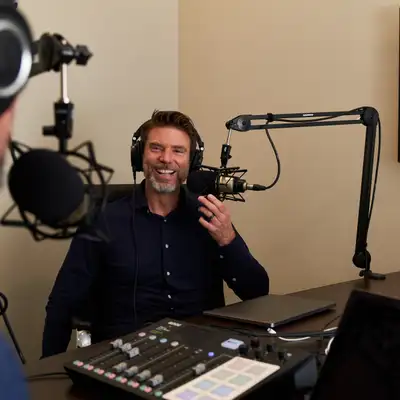
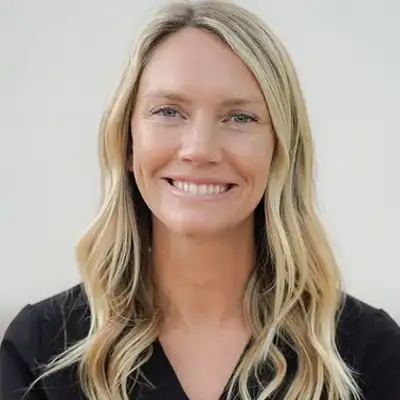
I want to welcome Dr. Kendra Coutts to the program. She's a chiropractor and a holistic health consultant specializing in women's health, nervous system regulation and root cause healing. With a background in functional health and nutrition, I was so impressed by her work that I brought her onto Center for Integrated Behavioral Health as a functional nutritionist and she is available for consultation to anyone around the globe. So please just visit our website centerforibh.com. I'm sure you're going to be just as impressed with her as I have been.
Dr. Katz, welcome to the radically genuine podcast.
Kendra Kautz (02:46.517)
Hello, thank you for having me.
Roger K. McFillin, Psy.D, ABPP (02:49.516)
Yeah, it's an honor to have you. First of all, let's just get a sense of who you are from, for our audience. Just like the kind of work that you're currently doing and why you got in this field.
Kendra Kautz (03:01.717)
Yeah, mean, like a lot of us who get into our professions, we wanted to figure out more about ourselves and how to help ourselves, right? So that's really where my whole interest in health started was, and this is a lot of the population that I work with, so I'll get into that a bit. I was...
Sick growing up. It's funny because I didn't realize how dysfunctional I was until I got healthy, but constantly miss school was honestly almost held back from school when I was in elementary school because I was sick constantly. Then when I started playing more competitive sports, I was injured chronically and I would never heal despite doing everything that my physical therapist told me to do. My orthopedic surgeon suggested the
know, injections, everything. just, my body didn't really know how to heal. I had brain fog. I had upset stomach constantly. Basically what you'd call like IBS now. just, never went and had it labeled. I struggled with really bad cramps before my periods. I'd be exhausted. I felt like I basically lived off of Advil.
for the first part of my life, seriously, because I'd have headaches almost daily. And I just thought that was normal. And so then that just carried in, like I said, through sport. And then I get to finally down my path. I was going to do physical therapy for a while. Then that, for my case, didn't help me.
Not saying physical therapy is bad, but so many of my issues were stemming from hormonal imbalances, metabolic issues, like emotional stressors that I didn't do PT school. Then I somehow found my way into chiropractic. And then while I was in chiropractic school, I met a chiropractor who I now work in this office with, Dr. Schaefer.
Kendra Kautz (05:19.125)
and he introduced me to something called applied kinesiology. If you look it up, it says it's a pseudoscience. So basically applied kinesiology is looking at someone structurally, so that's what we do as chiropractors, chemically or nutritionally, right? And then emotionally, because every part of that affects the other.
And that's when I met him, I was like, this is what I've been missing because he made sense of all my symptoms. I had four knee surgeries. made sense of why I always had like a left SI joint pain and my knees broke down. And then why my hip flexors were tight, why I was constantly getting headaches, why I had so many PMS symptoms. It just, it all made sense. And so then I...
then that's what made me deep dive into learning about women's hormones as a chiropractor. Cause I know a lot of people think that maybe we shouldn't be talking about hormone health and whatever else, but yeah. So that's what made me dive into that. And that's what made me dive into nutrition and make sure that I'm really helping my patients, especially for those who come in and they have chronic repeating physical ailments that
actually are stemming from a breakdown in either like the chemical nutritional or maybe an emotional piece. Yeah.
Roger K. McFillin, Psy.D, ABPP (06:48.91)
Yeah, it's interesting that you say applied kinesiology is labeled as pseudoscience. My experience is this, that chiropractors and functional health practitioners are on the cutting edge of finding root causes and helping people get to a state where their bodies can heal themselves, which is what we're naturally designed to do if we can get ourselves back into into balance.
Kendra Kautz (07:16.372)
Right.
Roger K. McFillin, Psy.D, ABPP (07:18.636)
I'm interested to know your perspective right now. Do you think the culture is shifting? Because conventional medicine, look at the outcomes. I mean, could it get any worse? Do you think it's shifting in our culture where people are starting to awaken to alternative health practices?
Kendra Kautz (07:30.868)
Yeah.
Kendra Kautz (07:39.733)
I but then it's amazing how, like I was just speaking with my best girlfriend yesterday after we worked out and she was telling me how her friend just allowed her daughter to get her gallbladder removed at like 14. And so I'm like, ooh, like that's a tough one. And now she's gonna have to, you know, take a bunch of enzymes and things to support her digestion moving forward. And I know that happens for a lot of people.
But yes, I do think that there is a good positive shift. mean, even with a lot of the new patients I'm getting lately, they're like, no, no, no, I just, really want to try to do this naturally. And so then I work with them. I'm not like, I realize that both interventions are sometimes needed and we can talk about that, but yeah, I do think there's a good shift. And I do think like COVID and you know.
the past five years have created a little bit of distressed, not a little bit, a lot of bit of distressed in people. So now they are kind of questioning. Although I do think there's still some people who are like absolutely out to lunch and not paying attention, but it's normal. know, like that's not your world and you're just doing it and you go to your doctor and you believe that they're telling you the best thing. And honestly, I do really think that the doctors that are saying like, yeah, nope, she's got something, she should get that out.
even if it was minor, like I feel like they are doing what they think is best too. yeah. Yeah.
Roger K. McFillin, Psy.D, ABPP (09:16.045)
Yeah, I mean, that's how they're trained. You know, it just seems like the best patient for that system is the one who can have more side effects and they can label those more diseases. I don't know how anyone at this point in time can blindly follow conventional medicine at this point. That shocks me because I mean, we're just getting sicker and sicker. And I want you to kind of just walk us down through the typical symptom profile that you're seeing.
in women, let's say under the age of 35, so younger, because this is supposed to be peak health time. what we're all seeing, whether you're a psychologist in my practice or you're in conventional medicine or you're in functional health or chiropractor, you're all seeing the same thing. We're seeing younger women having more and more complaints physically and just doing poorly with health and lifestyle. So what's a conventional...
Kendra Kautz (09:48.532)
Yeah.
Roger K. McFillin, Psy.D, ABPP (10:13.005)
or a typical symptom profile that people are coming to see you with.
Kendra Kautz (10:18.204)
Yeah, well, so I do actually, and that's why I was mentioning that in beginning, I do work with lot of athletes, like young athletes. And because they push their bodies so hard with sport, and then maybe on top of it, they've been taking like a birth control, like, you know, they're trying to prevent pregnancy. I see a lot of like depletion in these girls, but they were already and like, let's say,
I don't know, maybe it's just the area I'm in. I'm in like Orange County, but a lot of girls will get on birth control because they feel like they have acne, right? But that once again could be stemming just like from their diet. What are they eating? Do they have like underlying bacteria that we need to, you know, resolve? Because that's that coming out through the skin. Is there like a digestive issue that's causing a backup? And then sometimes, you know, little pimples come out. But
Okay, so yes, so I see girls that are just depleted, they're fatigued, and they're fatigued like at 14, you know? And that's how I was too, so I totally, I'm like, I've been in your shoes. But yeah, so they have digestive complaints, bloating, brain fog, can't focus. I think that has a lot to do with this though, cell phones use, right? Like basically sucking up their dopamine, and so a lot of people are dopamine depleted.
a lot of girls have issues around their periods, lot of pain with their cycles. A lot of girls don't have their cycles, especially with athletes. I've seen some girls who haven't even had a period by the time they're like 20. so yeah, regular cycles, no cycle at all, struggle getting pregnant. I do work with that population a lot. and that's
That's primarily it. Some PCOS cases, some endocases, but it's more of the like irregular cycles in fertility issues.
Roger K. McFillin, Psy.D, ABPP (12:26.455)
Okay, let's start there. When you end up running labs, what are you seeing when you say someone is depleted? What are you identifying?
Kendra Kautz (12:30.58)
Mm.
Kendra Kautz (12:36.2)
Yeah, so a lot of times, so nutritional deficiencies, right? And if we're, I think most people, and it's interesting, a lot of people will come in and they really have made some good changes in their diet. They realize that ultra, like them eating Taco Bell, you know, after their practices or after school, like isn't gonna be the best for them. But still, like when you're, either if it's mental stress or physical stress through sports.
or mental stress at home, like just stress in general from living, it depletes you of zinc, vitamin C, vitamin D, B vitamins, iron, like omegas, like these are just kind of natural processes that happen when our body's stressed and it doesn't matter where that stress is coming from. So that's things that I'll test for.
And then with that too, so when our systems are stressed, a lot of times that inhibits our stomach acid from secreting as well. I don't know if you've heard or talked about that much. I feel like it's big. That's why I wanted to mention it. Cause a lot of people don't realize that just your stress going up will cause your digestive secretions to go down across the board. So then if you're eating and a lot of women like they'll like, especially for my athletes, they'll take electrolytes or
or someone's experiencing cramping, so they're starting to do electrolytes, they realize that could be helpful. If that's not helping, a lot of times it's a hypo acid state that's not allowing them to absorb. So if you fix that, it actually can help a lot down the line because stomach acid helps you absorb vitamin B12, iron, calcium, and magnesium. And those are huge things, like I just mentioned with those depleted states.
those are in that lineup, right? So I like have to make sure that that is.
Kendra Kautz (14:36.871)
functioning well. Yeah.
Roger K. McFillin, Psy.D, ABPP (14:38.906)
Okay. When you talk about nutrient deficiencies that you're seeing, I mean, I know one of the major problems is the industrial food kind of complex that exists in the United States and it's depleting our minerals. with the farming practices, for example, I've just seen some statistics about how our food sources are just like completely mineral depleted. And that's even if you're eating organic now, if you're not already eating organic,
Kendra Kautz (14:54.867)
Mm-hmm.
Roger K. McFillin, Psy.D, ABPP (15:08.57)
then you're exposing yourself to pesticides. So those are extremely problematic. And there seems to be some war on meat that's going on globally. So you see all the nutrients that somebody can receive from like red meat, for example, aren't obtained because they have some negative belief about eating red meat because of what's pushed on the country. So my question is this.
How are we able to obtain what we need nutritionally in the United States? And when people are chronically depleted, as you state, how may that manifest itself in psychiatric symptoms where the conventional medical system then mislabels them as if they have some genetic psychiatric condition that they have to prescribe a pharmaceutical for?
Kendra Kautz (16:04.262)
Right. So, okay. So you asked a few things there. How do they get adequate nutrition for, okay. So I agree with you. do think I work with people who are vegan. I work with people who eat a lot of animal-based products. I support both sides, whatever someone feels comfortable with. I just educate on both. So you absolutely, once again, it's like you can get...
what you need if you are consuming these healthy foods. so these are like the patients I'll get is they actually are very adamant about getting a wide range of their nutrition, right? Like maybe they are getting their, they're eating steak, they're eating fish, they're eating vegetables, they're eating their fruits, they're trying to get good fiber and whatever, but then they're still depleted in a way. And that's where then you would have to see
once again, like I was starting with that stress response, like if your stress is constantly up here, then you're not even gonna be really absorbing as well as you would think with a good diet, right? So really like the key for a good diet is making sure you're getting adequate protein. And so in terms of the mental health piece, a lot of times if you just up someone's protein, because so many of these amino acids are precursors to these neurotransmitters that we need to feel okay,
That helps a ton. So yes, you can do that through meat. Like you can do that on a plant-based too, fine. Like truly. Fiber is super important. Fiber is really important because of your gut health in general. So I think you know this, you've talked people about this too. Like the different species that you can get or the different types of foods that you can get equate to a more diverse gut microbiome.
So the gut species, that has been shown to improve mood and people that have struggle with mood depression, anxiety tend to have fewer gut species, right? So if you stick to just the one thing you're eating all the time, that doesn't always contribute or help even if it's like an anti-inflammatory.
Kendra Kautz (18:28.305)
diet, like some people just go all animal based. It doesn't always equate to the healthiest gut microbiome, which could create problems later. But your mood could be stabilized because you're eating enough like healthy amino acids. Yeah.
Roger K. McFillin, Psy.D, ABPP (18:42.651)
So you don't, so let's define this. So Paul Saladino talks about animal based, right? So animal based would be high, you know, grass-fed beef, dairy products, and he includes fruit and honey. But then there's the keto community and the carnivore community where, I mean, they're focusing pretty much on, you know, grass-fed beef, animal products, such as eggs and so forth.
Kendra Kautz (18:49.011)
Mm-hmm.
Kendra Kautz (18:58.323)
Mm.
Roger K. McFillin, Psy.D, ABPP (19:12.305)
So you're saying that you would have some concerns regarding that as far as it being like diverse enough for the healthiest gut microbiome possible.
Kendra Kautz (19:12.509)
Yeah.
Kendra Kautz (19:23.729)
Yeah. And so there's definitely times like, with certain brain health conditions where a keto diet can be super beneficial, but I think for an extended period of time, it's really not the best way to go. And, especially so here, you know, I was just saying, so it's like, if stomach acid levels are off or if your gallbladder isn't secreting bile to break things down, or if you already have a sluggish liver for
XYZ, like you're on medications, you don't eat that well, you don't exercise, whatever, right? If you're eating that much protein, can actually cause people to...
Like I've had patients that have almost gone into like a, don't know, like a shock state, but their body will start breaking down. Like they'll almost become more inflamed because it's so much stress to break those foods down. So we need to like ease into that much protein too. Does that make sense? Okay. Yeah. And especially if once again, it's like, if you have a hypo stomach acid state, low stomach acid state,
Roger K. McFillin, Psy.D, ABPP (20:27.141)
Yes, yes.
Kendra Kautz (20:35.322)
it is gonna be harder for you to digest that much protein. So it's not exactly like where you'd wanna start, I guess is my point. Yeah.
Roger K. McFillin, Psy.D, ABPP (20:42.705)
Yeah, I mean, it's such a difficult question because of the diversity of just human beings. And, you know, you see people respond differently to different types of foods. What might work for me, you know, may not work for you on so many different facts. It's, it's hard to get dogmatic about this. Like I know when I'm eating more of a Paul Saladino animal based diet. So for the most part, I'm eating eggs, beef.
Kendra Kautz (20:48.006)
Yeah.
Kendra Kautz (20:54.49)
Yes.
Kendra Kautz (20:59.173)
Yes.
Roger K. McFillin, Psy.D, ABPP (21:09.315)
And then I add in, you know, a little bit of fruits, a little bit of vegetables, some honey and some dairy. mean, I'm feeling the best. I go pure carnivore and go ketogenic, my mood, you know, goes into the, goes into the dumps, right? Like I just like get more fatigued. it affects me negatively. I have to add in some carbohydrates and I feel better, but I've seen it. I've also seen ketogenic diets, you know,
Kendra Kautz (21:13.532)
Hmm.
Kendra Kautz (21:19.91)
Mm-hmm.
Kendra Kautz (21:32.102)
Yeah. Yeah.
Roger K. McFillin, Psy.D, ABPP (21:36.088)
solve many health problems for certain people and it'd be a lifesaver. It's just a little bit different for me. But I think the most important thing I've found is when you start eliminating absolute poisons from people's diet, their health generally improves. I wanted to get your thoughts on industrial-based seed oils. There seems to be such a controversy out there about that, but most of the restaurants
Kendra Kautz (21:51.098)
Yeah.
Roger K. McFillin, Psy.D, ABPP (22:05.841)
fast food, so forth. They're cooking with these industrial-based seed oils. And then if you buy any processed food that's in there, I want to get your thoughts on
Kendra Kautz (22:14.34)
Okay, well, yeah, this is a controversial topic. All right, so I'm not a big no seed oils person. I think it depends on at what temperature you're cooking those seed oils with. And I don't have them memorized. What is it called? What's the burning point? geez. Basically the temperature that the
oil can be cooked at to where then it doesn't become a problem and inflammatory, right? So that's... my God. No, the... wow.
Roger K. McFillin, Psy.D, ABPP (22:49.445)
Yeah, it's like oscillation or something.
Kendra Kautz (22:57.18)
This, ugh, I'll think of it later. That's something to pay attention to. So it's like if you're...
Roger K. McFillin, Psy.D, ABPP (23:04.535)
How would anyone know that when they go out to a restaurant?
Kendra Kautz (23:07.48)
you just look it up and that's why I can't, that's why I feel bad I can't even think of it. Hold on one second. Flashpoint, think. Flashpoint.
Roger K. McFillin, Psy.D, ABPP (23:11.727)
I mean, if let's say that there's.
Roger K. McFillin, Psy.D, ABPP (23:24.049)
We'll just cut this part out. We'll edit it.
Kendra Kautz (23:25.756)
Thank you, sorry, I was like, my... Yeah, I said it, Smoke Point, Flashpoint, Smoke Point. So, yeah, you just look it up.
And let's see.
Roger K. McFillin, Psy.D, ABPP (23:36.83)
When you're ready, we'll start again and you answer it from that flash point or that smoke point.
Kendra Kautz (24:08.945)
they're actually really high.
Kendra Kautz (24:16.079)
One second.
Kendra Kautz (25:01.752)
Yeah, okay. Okay, yeah, I said that wrong, but it's okay. I'll go back.
Roger K. McFillin, Psy.D, ABPP (25:10.322)
Okay, do you want to join us start?
Kendra Kautz (25:11.994)
Yeah, so with the seed oils, so I don't think like, okay, so you know how sometimes people are looking at a product and it's made in it and they're listed there, but then they're talking about cooking with a seed oil? The cooking and heating of the seed oils is what then you are saying the oxidation of that is then what makes it become harmful. And a lot of people do.
Roger K. McFillin, Psy.D, ABPP (25:27.163)
Yes.
Roger K. McFillin, Psy.D, ABPP (25:38.162)
pro-influencer.
Kendra Kautz (25:40.38)
cook with that at home, right? They're like putting canola oil on their tortillas, making their tacos, and it's heated. So then that does become a problem. But I think, like I have patients who are afraid to use any sort of like seed oils, even in like their skin products, and it doesn't have the same effect in my opinion.
Roger K. McFillin, Psy.D, ABPP (26:00.957)
Good, that's important clarification. I think the most difficult thing is the fast food where they are heating up those seed oils and they become very pro-inflammatory and there seems to be a number of health issues. And then there's the question if they are in other foods, it's still processed oriented. So there's usually other chemicals in any processed food and those are problematic as well. So those are extremely difficult.
Kendra Kautz (26:30.011)
Yeah.
Roger K. McFillin, Psy.D, ABPP (26:30.618)
I think what I'm hearing from you is our guts play a very important role in our health. I'm curious if we can just jump into the kind of hormonal chaos that you may be witnessing. How does conventional medicine identify it and treat it? And then how would it be different if they're working with somebody who's in functional health?
Kendra Kautz (26:43.856)
Yeah.
Kendra Kautz (26:53.713)
Yeah, absolutely. So with those patients that I was talking about at the beginning who either are struggling with irregular cycles, no cycle at all, infertility, kind of just stay in that branch of people. So a lot of times with these conditions, there's a factor that's missing of what is the stressor to the system that's causing the hormones to not either be created in the way they should.
or like shunted towards that pathway. So like when you look at a hormone pathway, it starts with cholesterol, which is why people say like healthy fats are so important, right? So a lot of times in conventional medicine, the girls will just be told, well, you need to eat more. And sometimes that's enough, right? Sometimes it is. And so that's great. And like eat more healthy fats. Cool.
Then on top of that, like, I've been eating so many fats, like nothing's changing. So it goes cholesterol to then something called pregnenolone. And then that either gets made into cortisol. So when we talk about all these like underlying stress things that I think are being overlooked, if you have something that's stressing your system, whether it's just mental stress alone, whether it's an underlying infection, whether it's mold toxicity,
you know, one of our environmental stressors, that can also just cause you to create more cortisol down the line versus going from pregnenolone to then making other hormones this way. And I'm happy to like show the hormone pathway chart to be helpful too. I should have printed one out to help with that. So that's, a lot of times when I'm working with these women who are not having a cycle,
It's because they're low in estrogen and or progesterone. A lot of times it's a combo of both. Same with the infertility, low estrogen or low progesterone. And a lot of times it's because in creating those hormones, they're actually needing to make more cortisol because making cortisol takes priority in a hormone pathway because we need cortisol to survive. So then that's when this
Kendra Kautz (29:18.225)
pregnant alone gets shunted to make more cortisol down this pathway versus going to make our other sex hormones like testosterone to estrogen and or progesterone.
Roger K. McFillin, Psy.D, ABPP (29:31.154)
So does conventional medicine then prescribe synthetic hormones in that scenario?
Kendra Kautz (29:37.773)
Yeah. And so for the girls who are not getting their cycles, it really doesn't make any sense at all because those synthetic hormones don't act in the same way that our natural hormones would. So what should have happened, like to help a girl get her period back. And a lot of times girls are like, well, no, I got my period. look, I went on birth control and I got my period. Well, it's not their period. It's they were given a synthetic.
estrogen and progesterone. I'm just, this is just talking about the pill. There's so many different types of birth control. And then they're taking that and then that drop on their sugar pill week will just allow the whatever is going on in the uterine line to shed. It's not actually them having a healthy estrogen buildup.
that make sense? Yeah.
Roger K. McFillin, Psy.D, ABPP (30:34.097)
Yeah, now what are the consequences then of being prescribed synthetic hormones going on birth control? What are we seeing now that is negatively affecting the health of these girls?
Kendra Kautz (30:45.977)
Right, so when, once again, I'm just talking about the combination pill, which I feel like a lot of girls are still prescribed. So it's a synthetic estrogen and progestin. That will cause you to not ovulate. So it does a great job of you not getting pregnant, right? But when that happens, it messes with the natural rises and falls of estrogen and progesterone as it should throughout your cycle.
It's like this beautiful like symphony that should be happening, but then it just blunts it because when your hypothalamus thinks that there's enough of estrogen and progesterone in the system, then there's not these signals to then create more for these highs and lows, which then causes that in ovulatory state, that no ovulation state. And when that happens, that can affect bone health. It can affect gut health. can affect
mood for sure. Some girls it stabilizes their mood because they're just at this steady state versus these highs and lows, but really they are experiencing stress from those highs and lows because there was something missed on the what's stressing their system front that's not allowing them to handle these highs and lows well.
Roger K. McFillin, Psy.D, ABPP (32:08.743)
And I just saw a recent study, I think it was a Danish study, one million women tracked and teenage girls who were on birth control had a double the risk of depression and antidepressant prescriptions. Like literally doubled it.
Kendra Kautz (32:23.409)
Wow, I didn't know that.
Roger K. McFillin, Psy.D, ABPP (32:25.499)
And I've read other studies too about the increase in suicide risk for teenage girls who are prescribed hormonal birth control, as well as like there's a full range of severity related to anxiety and depression. So it's a clear risk factor for diagnosis of severe depression and anxiety is a synthetic hormones, hormonal birth control in itself.
Kendra Kautz (32:45.562)
Yeah.
Kendra Kautz (32:54.617)
Right. And to add to that, know those nutrients that I said are depleted when our systems are under stress? Same thing happens with those combination birth control pills. So then you're actually depleting a system that actually probably needed support in an area, you deplete it more.
Roger K. McFillin, Psy.D, ABPP (33:14.983)
Yeah, I mean, it really seems we're creating these iatrogenic epidemics and then calling them new diseases, right? So you might start with, let's use your example. know, a young girl might be experiencing acne. It could be related to legitimate nutritional deficiencies or other lifestyle factors. They go on hormonal birth control to try to regulate that. Now there's a cascade of health effects related to the synthetic hormones.
Now you get labeled with anxiety and depression. Before you know it, you're on an SSRI, you're on hormonal birth control, and now what do we predict? What's gonna happen down the line for if somebody is prescribed those drugs during such a key developmental period?
Kendra Kautz (34:01.763)
I know. Right. So, yeah, then they would have infertility. That's like a lot of times when they, you what I mean? So it's, you take that history and it's like, okay, well, yes, this makes sense. You're on birth control for eight to 10 years. And now your system's trying to basically overcome what it, what should have been addressed before being put on the birth control in the first place. Right? So it's like,
even a girl with a really heavy cycle, then you would think like progesterone deficiency or like estrogen dominance, or there's something that's basically causing, a lot of times there's something immunosuppressive happening, right? So this stabilized them, fake stabilized them.
I almost put it like say it's in like a menopausal state because it's more of the steady state hormone versus experiencing these highs and lows. But then when they come off, they're still having to figure out this chronic thing from 10 years ago that they were struggling with. And then when they're being put on like an SSRI, and this is the thing I think is so crazy and I know not every, all these mental health drugs are like re-uptakes, but it's interesting to me that people are put on these when
A lot of times there's not enough to re-uptake. There's not enough of this neurotransmitter to even work with. then people, maybe it'll work temporarily for a second, a little bit, but then once again, you didn't fix this underlying deficiency where then they would be able to create enough of the neurotransmitter. Right? Yeah.
Roger K. McFillin, Psy.D, ABPP (35:52.147)
Yeah.
Kendra Kautz (35:52.888)
So it's just, it basically all it's doing is just creating a more depleted state, essentially, long, yeah.
Roger K. McFillin, Psy.D, ABPP (35:59.637)
Yeah. And I'm worried with the psych drugs, for example, you know, I'm worried about metabolic health. I had Chris Masterjohn on here. He called an SSRI a mitochondrial poison. And it is the side effects of what it's doing to the cell, the energy production system that we label as beneficial, like emotional blunting, right? Affects poisoning the cells is that it alters your emotional states, it blunts an important energy.
Kendra Kautz (36:10.704)
Mmm.
Kendra Kautz (36:23.866)
Yeah.
Roger K. McFillin, Psy.D, ABPP (36:29.724)
emotions are energy in motion. And so I think we're just seeing this poison, mass poison. If it's not the food that we're going to eat from all the pesticides and other chemicals or processed food or the heating of the industrial based seed oils, then we're going to get into the pharmaceuticals that they provide us from experiencing the symptoms of that degree of poisoning. Now I have to get your opinion on
PCOS because in my center here, we're seeing this just explode in young girls. Like we're seeing they're being diagnosed with PCOS. What is it? Why is it happening? How's conventional medicine? What are they getting wrong with this?
Kendra Kautz (37:02.832)
Mm-hmm.
Kendra Kautz (37:07.92)
Yeah. So with PCOS, it's interesting too, cause I'll have girls come in and they're basically it's like their insulin was high and that was, that was it for like their screening. And then maybe their cycles are a little irregular and it's like, well, you have PCOS. It's like, well, also when you have high cortisol in the system, your glucose goes up.
And then if you aren't exercising enough to then utilize those sugars, right? From the increased cortisol. Cause really like the whole reason your blood glucose goes up is because if your body thinks it needs to run away from something or, you know, be in survival mode, that's why that goes up. So it's to be shunted into your muscles. But if you're sitting in front of a, you know, computer all day and you're just stressed because you're
you you have so many things to do and you're not actually moving, then your insulin also will go up. So I see that more as the reason why girls are labeled with PCOS. Yeah. So there's a few things. So, and then also with these girls, they'll have like the acne, right? And maybe some hair growth.
Roger K. McFillin, Psy.D, ABPP (38:20.881)
Interesting.
Kendra Kautz (38:35.256)
sometimes mood swings, anxiety, but once again, if your cortisol is high, you're gonna have those mood swings and anxiety, because every time that stress goes up, you're also nutrient depleting yourself. And we don't have just endless amounts of nutrients in order to create these hormones that make us happy and healthy and functioning well. So it's another depleted state, right? So a lot of times, like I'm reading, so I'm not.
So insulin resistance, chronic stress, liver congestion, gut inflammation, ovarian and adrenal imbalance. The symptoms are irregular missed periods, acne, oily skin, hair thinning, difficulty losing weight, fatigue or blood sugar crashes, you're not ovulating. So then when I just like, you can see how that makes sense though, right? The connection there, if you figure out
the root stressor that clears it up so much of the time. And then if you tell someone to weight lift, you know, and not just do a bunch of like high intensity cardio classes where sure that may use the cortisol up, but you're also just like really stressing your system out when a lot of times you are in a depleted state. Not like I'm against like a HIIT workout or runs. It's just, it's
transitioning that for a while till the system can rebuild and then you can work that stuff back in. But if you keep like having your coffees and you know not reducing the stress or if it is mold or if it's a bacterial infection or a viral infection and that's not being supported then you're constantly going to have that cortisol being up and then this insulin sensitivity and resistance.
Roger K. McFillin, Psy.D, ABPP (40:33.029)
It seems like the more we get disconnected from nature, the sicker we become. it's when we talk about some of these lifestyle issues that are actually stressing the body, like the use of a smartphone and the exposure to blue light is actually stressing the body. When we don't get enough light exposure or we're not connected to the grass or the sand or the ocean or, you know, things of that nature, it seems to be putting the body in a dis-eased state.
when we're not getting enough sleep and then we fuel it with less than adequate nutrition. All of this is putting the body in a stressed state. So it seems like the approach to be able to get people to become more healthy again and to treat it, I mean, it's gotta be multifactorial, I assume. It's not like you can just take a couple of supplements and everything's gonna be okay.
Kendra Kautz (41:23.053)
Yeah, I agree. And I do use supplements a lot in my practice, but yes, absolutely. I use that for an example with a lot of the girls that come in and they're like this and they're on their phones and they're stressed and they're talking to me and they're wondering why their jaw hurts. And I'm like, okay, we've talked about this. We've got to find ways to dampen this stress. So whether that's like...
you taking time and going to church, put your phone away. Even like when you're working, it's amazing how little work actually gets done when they keep checking their phones. I'm like, just put it away for like 45 minutes. You'll actually be way more productive, way less stressed because you keep seeing that someone liked something on Instagram or whatever, right? Every time that happens, you're getting that dopamine hit and then eventually it will deplete you of dopamine, right?
So yeah, no, it's huge to take time either to meditate or like get outside, get away from the blue lights, absolutely. And then, but once again, then it's not just the supplements, it's exercise is so key. And it doesn't have to be this elaborate workout schedule. A lot of times people end up doing too much.
Roger K. McFillin, Psy.D, ABPP (42:48.194)
So the question around supplements, what do you think are just key supplements that most Americans should be at least thinking about? I saw, and I've spoken about this, that think around 50 % of the entire country is magnesium deficient, for example. And again, that has its manifestations in the anxiety and mood factor, sleep factors.
Kendra Kautz (43:12.323)
Yeah.
Roger K. McFillin, Psy.D, ABPP (43:14.229)
We see a lot of people during winter months being depleted of vitamin C, but then again, they might not have other like important like minerals or vitamins or hormones to be able to like metabolize into vitamin C. So even if you're taking vitamin C, you're still depleted. So I wanna get your thoughts on like what should we be thinking about taking generally as Americans with the lifestyle that we're living?
Kendra Kautz (43:40.813)
Yeah, so with that list of stressors, like when you're stressed, what goes down? So like you just said, vitamin C is super crucial. Vitamin D is important, but I think it's better just to get outside and like actually spend some time in the sun, truthfully. Even if it's not like beautiful Southern California, like you can still get outside and get enough vitamin D. Zinc.
can be something that's missing a lot of times, especially in men's hormone health status and women actually with PCOS because they tend to be more testosterone driven. And I also didn't explain that well. in that hormone cascade, remember how I was saying it starts with cholesterol, goes to pregnant alone, and then if we're stressed, that gets shunted to cortisol, right? So that also happens.
when there's stressors from testosterone changing into estrogen. And so that's what happens. And that's why I keep harping on stress. I know I'm like almost like repeating myself, but it's truthfully why so many hormones don't go along the correct hormone pathway that they should and where they'll get shunted or get blunted and then they don't get created. So.
So B vitamins are super crucial because that also gets depleted with stress like B6, B9, B12. C like I said, but I always like to do that just from like food sources, fruit, know, peppers, potatoes, whatever. And then omegas are really important for brain health too. If you're not getting enough through food, like DHA, EPA, that's very, very helpful for someone who's feeling brain fogged.
And then just on this note of like low dopamine, because we are constantly in front of our phones in blue light, I've been L-tyrosine, an amino acid has been really helpful lately to help people feel more focused and kind of re...
Kendra Kautz (45:54.905)
give someone back that dopamine that they need, because it's a precursor to that. So you would think, like if I'm exhausting my dopamine stores all the time, like I need to do things that are less dopamine, but we actually need to replace it. And that's why like if you take a mental health drug that's just going to reuptake when you're depleted, it does nothing. But tyrosine has been super helpful. And then on the first sleep, like for supporting sleep,
A lot of times taking just even tryptophan before bed can then help and then also stabilize mood because it's the precursor to then make serotonin and that's been really helpful too. So actually really simple changes. Or eat turkey.
Roger K. McFillin, Psy.D, ABPP (46:40.566)
What are your thoughts on creatine?
Kendra Kautz (46:43.726)
I like creatine. Yeah, a lot. Yes.
Roger K. McFillin, Psy.D, ABPP (46:46.004)
like decades and decades of like positive science around that. And I see there even, I think they're investigating it with mood related problems. I obviously, I think those mood related problems are probably associated with other nutritional deficiencies, but, one thing that I've read and one thing I've noticed with myself is when I up my creatine intake, if I've been sleep deprived,
Kendra Kautz (47:04.238)
Mm-hmm.
Roger K. McFillin, Psy.D, ABPP (47:12.478)
I do have improved cognitive abilities. That seems to be clearly demonstrated. And then as an athlete, former athlete, and just right now working out, creatine is just like an amazing measurable difference in like muscular endurance and strength.
Kendra Kautz (47:15.246)
Thank you.
Kendra Kautz (47:31.318)
Yeah, yeah. It does help. I definitely, it's funny, I absolutely, like years and years ago, I thought that it was hard on the liver. It's not at all. But I was like, no, you shouldn't be taking that. I mean, this was like years ago. And now we're just seeing all the benefits of how wonderful it is. And it helps with that incognition. Are you doing five grams? Is that your dose?
Roger K. McFillin, Psy.D, ABPP (47:56.076)
I'm actually doing 10 grams now. Yeah, I just saw, who do I follow? Foundmyfitness, what's her name?
Kendra Kautz (47:58.282)
Okay, yeah.
Kendra Kautz (48:07.624)
Rhonda Patrick, Dr. Rhonda Patrick. Yeah.
Roger K. McFillin, Psy.D, ABPP (48:09.269)
Yeah, I've been following her work and she's just demonstrating that that increased dosage has some positive effects. So I did increase it from five to 10.
Kendra Kautz (48:20.302)
Cool. It's basically just, it's, you know, once again, everything's different per person, right? There's not like a standard dose, but it is better to go high dose to basically saturate everything. And then you can start to like titrate off as needed. And then obviously, you know, you're like, well, I'm maybe not as sharp today, then you can increase it again. And it's the same with those supplements to like tyrosine and tryptophan. Like you...
Roger K. McFillin, Psy.D, ABPP (48:26.284)
Mm-hmm.
Kendra Kautz (48:48.77)
Really the whole point of supplements, it's not to take it forever, right? It's to help you get back to your baseline so you don't have to keep taking that. And so like even for creatine, it's like, you know, I feel like you do get enough adequate protein though too.
Roger K. McFillin, Psy.D, ABPP (49:08.405)
Yeah, I think it's, I would need to get like a pretty significant amount of raw meat to get the creatine that I need. And I'm just not going to eat that much raw meat in a day. like creatine supplementation is really important. And yeah, I feel it, especially as you're getting older, right? Like how important like muscle development and maintaining your muscles are. I think that's just like a critical piece. I just want to get your, get your thoughts on recovery and healing.
Kendra Kautz (49:17.634)
Yeah.
Yeah.
Kendra Kautz (49:23.83)
Yeah. Yeah.
Kendra Kautz (49:28.514)
Yeah.
Roger K. McFillin, Psy.D, ABPP (49:38.091)
What do you see with outcomes when you start like addressing the real root cause issues? What, are you starting to see in practice?
Kendra Kautz (49:46.146)
they start ovulating, they have normal periods, they don't have pain with their cycles. Yeah, it's just, so like I said, a common one is like an underlying viral issue is really.
Roger K. McFillin, Psy.D, ABPP (50:00.61)
How do you determine that?
Kendra Kautz (50:03.63)
Blood testing? Yeah. Yeah.
Roger K. McFillin, Psy.D, ABPP (50:06.645)
What kind of virus has been affecting people?
Kendra Kautz (50:09.987)
Herpes, different herpes viruses. Yeah, an Epstein-Barr, yes. So that's typically it. But the thing is, is you know if someone has it, if they chronically have cold sores or like a breakout elsewhere, obviously some herpes don't manifest in that way, right? But, then you'd want to test. But if someone is having to take like a Ciclovir or some, you know, for these breakouts, or they're obviously putting like a brevon there.
Roger K. McFillin, Psy.D, ABPP (50:12.555)
Really?
Kendra Kautz (50:39.574)
you know, every month or every two months, like, that's, that's affecting you. We know that your immune system isn't strong. then just supporting that makes a huge difference. Yeah.
Roger K. McFillin, Psy.D, ABPP (50:52.211)
That's important. Okay, so let's kind of close down our discussion. I want to do it by like, getting some clear recommendations for adolescent girls like do's and don'ts. Like if you were, you were addressing an entire room of adolescent girls and their parents and you've seen what you've seen now. I mean, and you've experienced things yourself and you've had to overcome them.
Kendra Kautz (50:53.58)
Yeah.
Kendra Kautz (51:11.297)
Yeah.
Kendra Kautz (51:20.332)
Yeah.
Roger K. McFillin, Psy.D, ABPP (51:20.361)
What are you going to be emphasizing to them to be able to keep them out of the mental health system, out of the medical system, to be able to flourish, to be able to be strong and healthy, fertile, everything that they want to experience in their life if they can?
Kendra Kautz (51:37.164)
Yeah. So first of all, if you don't feel like you are performing optimally or like feeling really vibrant, I'll say, then like don't just mask it with grabbing more sugar, more salted food, caffeine, and give yourself that like temporary boost.
Right? Like dig deeper because the more you reach for those things that give you a temporary energy fix, the more you will end up probably depleted down the road if we're not supporting. Right? So if I were to do it over, yeah, I wouldn't have been going to fast food places. I never would have taken my combination birth control pill. Absolutely not. I tell girls, even though this is not a marketed
and not getting pregnant tool. It's more of an infertility tool. I like using a Neato because it actually tells you it's in a monitor and it measures estrogen, metabolites, progesterone, metabolites, LH to tell you if you actually are in a fertile window or not. And then if you've ovulated, which is so key because you do want to ovulate to be healthy, right? Like
for bone health and everything else we're talking about, right? Just optimal living and not being so depleted nutritionally too. So I would track my cycle because I would, if you don't address it then it will just continue down the road. So it's so much easier if you can nip it when you're younger and make these better choices, you will be able to think better. can like,
you'll be able to perform better in your sport. Like everything will be better if you make these changes around diet, eating less processed foods, exercising, trying to care less about what other people think of you. So that's like less social media time. I know that's hard for some, but I think a majority of girls that come in, so much of it is they...
Kendra Kautz (53:58.926)
A lot of them are not overweight, but they feel so insecure in their bodies now just because of social media. So less time on social media, more connection with friends. If support with those foods that will help you, so fruits, vegetables, eat lots of protein, that will all help with gut and brain health.
Make sure you're sleeping. Shut your phone off an hour before bed. Don't watch TV before you go to bed. Read a book. You'll be very different than our popular, like everyone is now. This is not what people do. People are on their phones until they shut their eyes and then they wonder why their sleep is all messed up. What else? I feel like there's so many things, but.
Roger K. McFillin, Psy.D, ABPP (54:51.064)
almost like an ancestral life returning to more of an ancestral lifestyle, like very simple things like eat real food, move your body, get out of screens, don't go on synthetic hormones and pharmaceuticals.
Kendra Kautz (54:59.076)
huh.
Yeah.
Yeah, it's really simple. if you're struggling with something, just know that you can support yourself naturally versus these synthetic things that are not actually going to fix the problem. So just question that, like be aware of that. I wish that I was aware of what birth control would have done to me. Like it put me in such a depleted state and I was already stressed out.
in chiropractic school, then tried to come off and my body didn't make enough estrogen. So then I had like debilitating migraines. just, just don't work yourself deeper into this hole. Try to look for answers. And also that's why I keep harping on this stress thing. It's not just getting your mental stress down. Think about how you can support yourself and think about like your history. Was I sick a lot as a kid? Have I had recurrent strep throat?
Do I get sick often? How is my system functioning? And if it's not optimal, then get with someone like a functional nutritionist, functional medicine person that can help you dial this in. But first, start with the basics. It's not like a sexy answer at all. Start with the basics. It's like...
Roger K. McFillin, Psy.D, ABPP (56:20.024)
Yeah, I think health isn't complicated. We've over complicated a lot. That's why I'm just so concerned about the conventional medical system and want to keep people out of it because all they do is mess symptoms and then create new diseases with the treatments that they provide. We've spoken a lot about like that under 35 and even teenagers. Before I let you go, there's a bit of a controversy right now with menopause and taking
Kendra Kautz (56:22.861)
It's no. Yeah. Yes.
Kendra Kautz (56:30.997)
Yeah.
Roger K. McFillin, Psy.D, ABPP (56:48.386)
Hormone replacement therapy, you know, I've seen various opinions across the spectrum on this from some who think it just improves quality of life while others say you are interfering with nature. And when you interfere with nature, you have problems. I want to get your opinion on this if you have any.
Kendra Kautz (56:50.509)
Mm-hmm.
Kendra Kautz (57:01.613)
Thank
Kendra Kautz (57:05.837)
Yeah, I do. once again, before jumping to taking hormones, and I don't actually think they're all bad. So I think they can be very helpful. And I actually tell women to go get like a bioidentical patch, estrogen and progesterone pill. you...
because when you're menopause, you're not getting as much estrogen projection from your ovaries. That's where you mainly get it from. You still have some being created from your adrenal system and then adipose tissue. But with that, you have to make sure that there's not some underlying stressor that's causing you to create more cortisol versus making natural estrogens and progesterones.
So you want to support that too. But if that's going to take a while, like helping someone from like mold toxicity or something else, right, which takes a lot of time to recover chronic infection, then helping them take the bioidentical hormone is very helpful because that does work in the same way as our natural hormones. And honestly, for the most part, for the women that I've seen come in, they are being put on
bioidentical hormones, it's not something that would put them at increased risk for like blood clotting or cancer. So that's where the issue is. It's making sure that you are asking for that versus a synthetic, but that's not really used as often anymore. I think where you can tell me where the controversy lies, but I think where that is is.
Do you get it from your PCP or do you get it from this like compounding pharmacy? And the controversy with that is just that it's not tested at the compounding pharmacy. But if you feel, don't think, I personally don't think, I have patients that use from that. I have patients that use it from their PCP. If it works, it works and it's helping them, right? So it's, but the controversy lies in, well, that's not tested. That's not FDA approved.
Kendra Kautz (59:27.67)
So you shouldn't be doing that and actually it be more dangerous. Which sure can be true, but a lot of like, I don't know, I've had patients that do that and they are just fine. I think where the issue is like pellets, you can't really dose that well. But an estrogen patch, great. Bioidentical estrogen patch is amazing. And the oral progesterone.
which is like a broken down version, also basically works in the same way as your natural progesterone. Also great. Once again, where an issue lies is if it's oral, then then you can create more issues because your liver's having to metabolize it. And that's where like the clotting risks and things stem from.
Roger K. McFillin, Psy.D, ABPP (01:00:17.465)
Got it. Well, thank you. Yeah, I see the not an area of expertise for my net all. I haven't really looked into it a lot. The controversy I've seen is just interfering with natural processes, right? So the idea that that menopause is extremely important, like natural phase for women in that developmental phase that is necessary for later health. And then what is what are the consequences of intervening?
Kendra Kautz (01:00:19.222)
Yeah.
Kendra Kautz (01:00:29.728)
Yeah.
Kendra Kautz (01:00:39.69)
Yeah.
Roger K. McFillin, Psy.D, ABPP (01:00:46.549)
in that? Certainly for symptom improvement in the short term, but then what are the consequences long term? Which I don't have the answer to. I don't know. I was just curious about your opinion.
Kendra Kautz (01:00:51.414)
Yeah.
Kendra Kautz (01:00:56.222)
Yeah, like long-term use, don't know, but a lot of these doses that I'm seeing, they're so low and they make such a difference. So if that, and I believe, I agree with you. There's a lot of women who go into menopause and they're not taking any sort of hormone replacement therapy and they're fine. So we know it's possible, right? Some women like,
Yeah, I just, it's been such a lifesaver for some people. And I know that there's not that, I'm not concerned about them taking it when it's that like transdermal patch version, where they're not having to metabolize it in that way. And with the bioidentical versions, I don't really see it being a problem. I don't know over long term, but these doses are small and they make a big difference. And then when I do have those patients, I am once again,
I'm just like a broken record. I am always looking for whatever could be stressing their system that's not allowing them to make whatever, even if it's low level, because is meant to have, their menopausal women are meant to stay in this steady range, right, with their hormones. So even for them to make that amount to where they're at this adequate stage, I support them on that front. Yeah.
Roger K. McFillin, Psy.D, ABPP (01:02:19.854)
Makes sense. Yeah. Yeah. I mean, one of the takeaways today, for me personally is when somebody's presenting, with a range of symptoms, they're really just not, it doesn't help us unless we're really going to understand root causes to that. And, you know, people are getting sicker younger for a range of problems, nutrition, any lifestyle wise being disconnected from nature activity levels, just the end in modern living.
pharmaceutical synthetic hormones. So all these things can be contributing to problems that if we continue in the manner in which we're treating this with band-aids, we're creating more symptoms, we're going to create more conditions down the line. And so we have to almost get back to a simpler, more ancestral way of living that is common sensical, right? Like it's more time in nature, better movement, the right movement, make sure we're getting enough of the right nutrition, prioritizing sleep.
Kendra Kautz (01:02:59.371)
Yeah.
Kendra Kautz (01:03:09.514)
Yeah.
Roger K. McFillin, Psy.D, ABPP (01:03:18.254)
getting away from that phone, because the phone is both stressing us through its use, but also, as you mentioned for like teenage girls, there is just stress for exposure to social media, right? It's just driving like poor body image and a number of insecurities that are also problematic. So we're not really gonna make a change in our culture unless we start identifying what are the problems that are leading to it.
Kendra Kautz (01:03:23.284)
Mm-hmm.
Kendra Kautz (01:03:32.148)
Yeah.
Kendra Kautz (01:03:46.727)
Mm-hmm.
Roger K. McFillin, Psy.D, ABPP (01:03:47.001)
And that's where I think functional medicine, functional nutrition is just key in this parallel system for healthcare. mean, I, I'm not going to go to the corporate medicine, the traditional corporate healthcare system, unless, you know, it's an emergency, broken bone, orthopedics, things like that. but as far as trying to be healthy, you know, I'm certainly not heading there and believing I'm going to get any advice.
Final thoughts.
Kendra Kautz (01:04:19.318)
Final thoughts.
Kendra Kautz (01:04:23.764)
Yeah, so here, you know, here we're like, okay, it's really, health is simple. And I do, and I think sometimes I tend to oversimplify it and it can seem really daunting when it's happening to you because a lot of times when these patients are coming to me, it has cascaded into so many different diseases or presentations, right? And I can see right down the line where, okay, well that then stemmed to that and that triggered that and that.
So if you're feeling really overwhelmed, just know that there's a way to make sense of all these symptoms and as daunting as it feels to have to make all these changes in your life, a lot of times, and that's where I wanna then harp on the simple point, is these little small simple things can go a long way and these laundry list of symptoms that you're having.
really can make sense if you get the right support and help. And a lot of times then those like will go away like a domino effect too, right? So just know that, I don't know, like you're not stuck in your situation and even if you feel like you're, like no one is able to help you, don't like give up on that and keep going. Cause like I will see patients after they've seen
quite a few practitioners and different specialists and things. It's like, well, no, no, no, no, this is, you're one whole system. You're this whole person. So you going to this doctor for that and that doctor for that, and they're not combining. They're not thinking about how that's affecting this system too. Your symptoms all do make sense. I think a lot of people think they're all random and it's not like you're, so just don't, don't give up on your journey of finding the right answers.
And I do think people are more resilient in that way right now trying to find the answers to our first question. Do you think people are a little bit more awake to maybe not going straight to conventional? just know that you can be helped and your symptoms do make sense. Yeah.
Roger K. McFillin, Psy.D, ABPP (01:06:41.796)
Dr. Kendrick Kautz, I want to thank you for a radically genuine conversation.
Kendra Kautz (01:06:47.848)
Yeah, thank you for having me. Appreciate it.
Creators and Guests